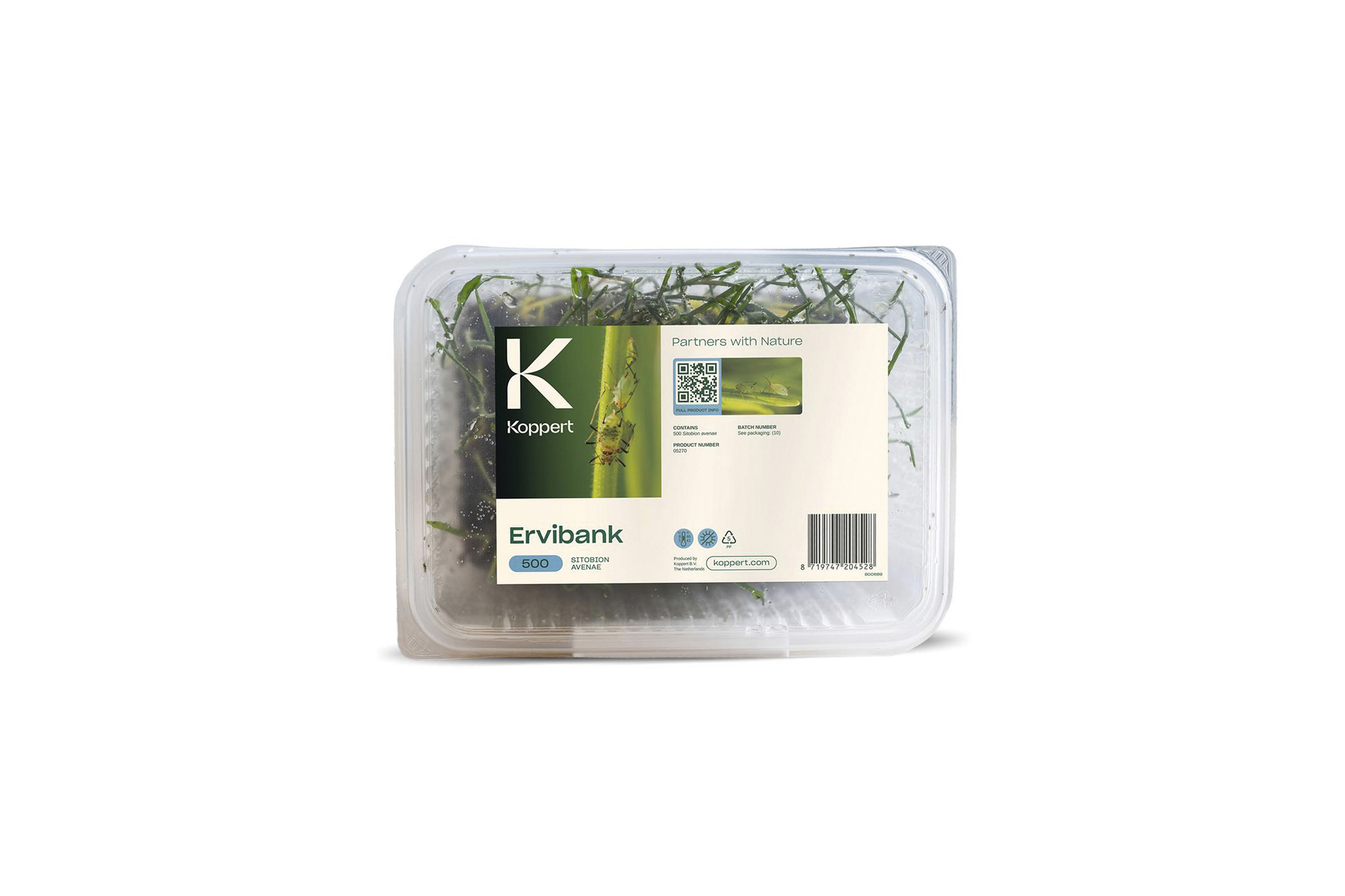
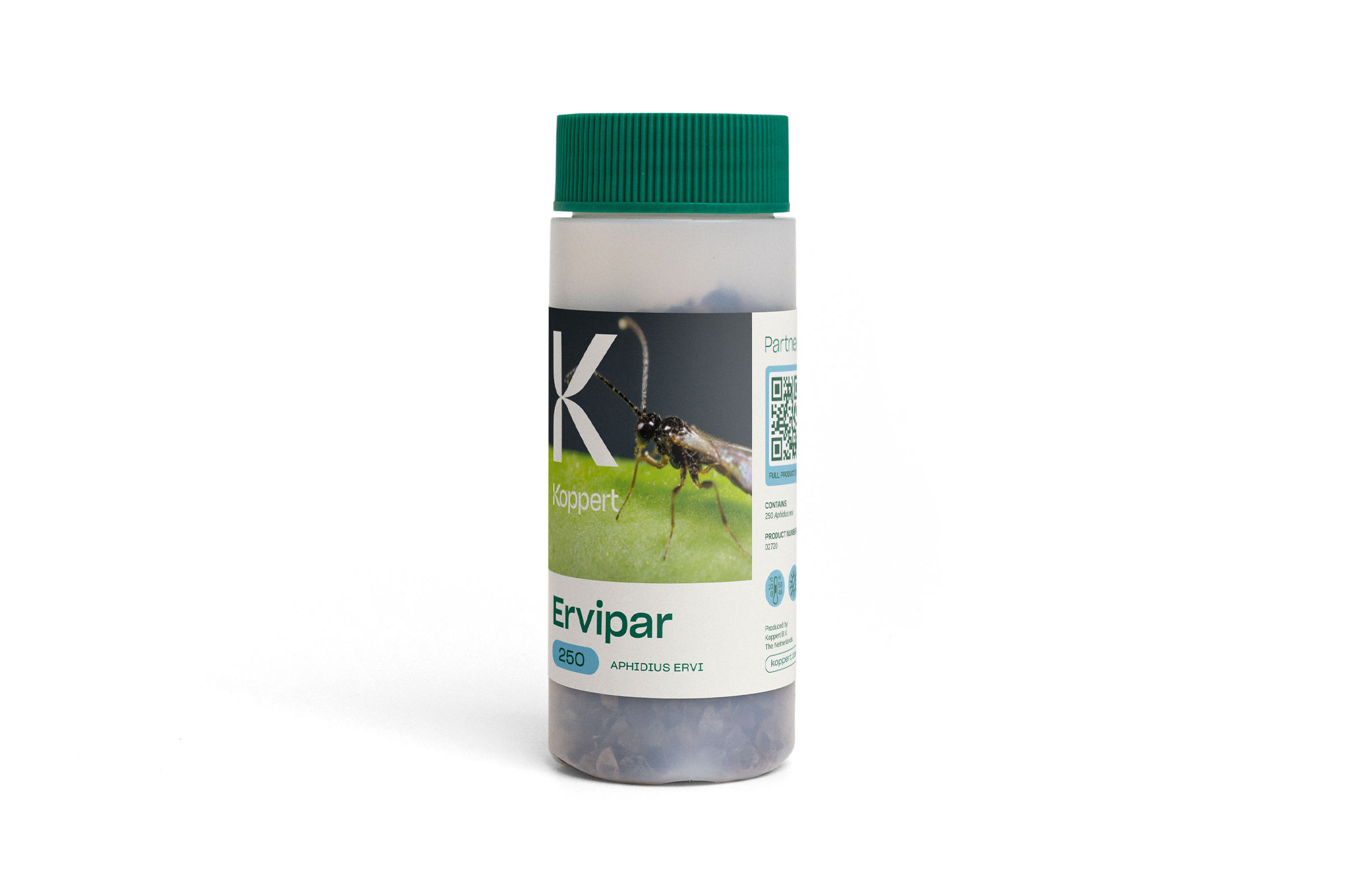
Aphids
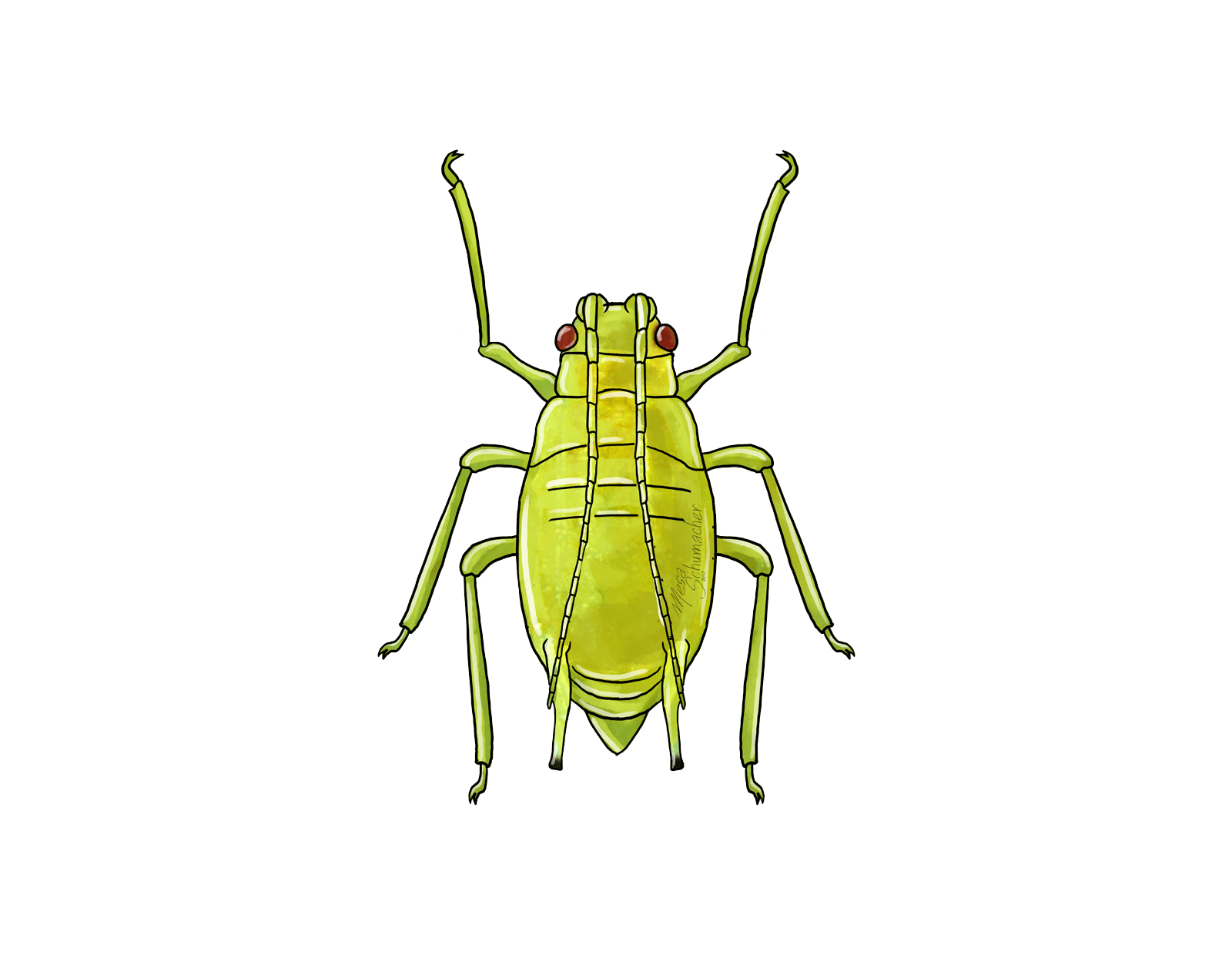
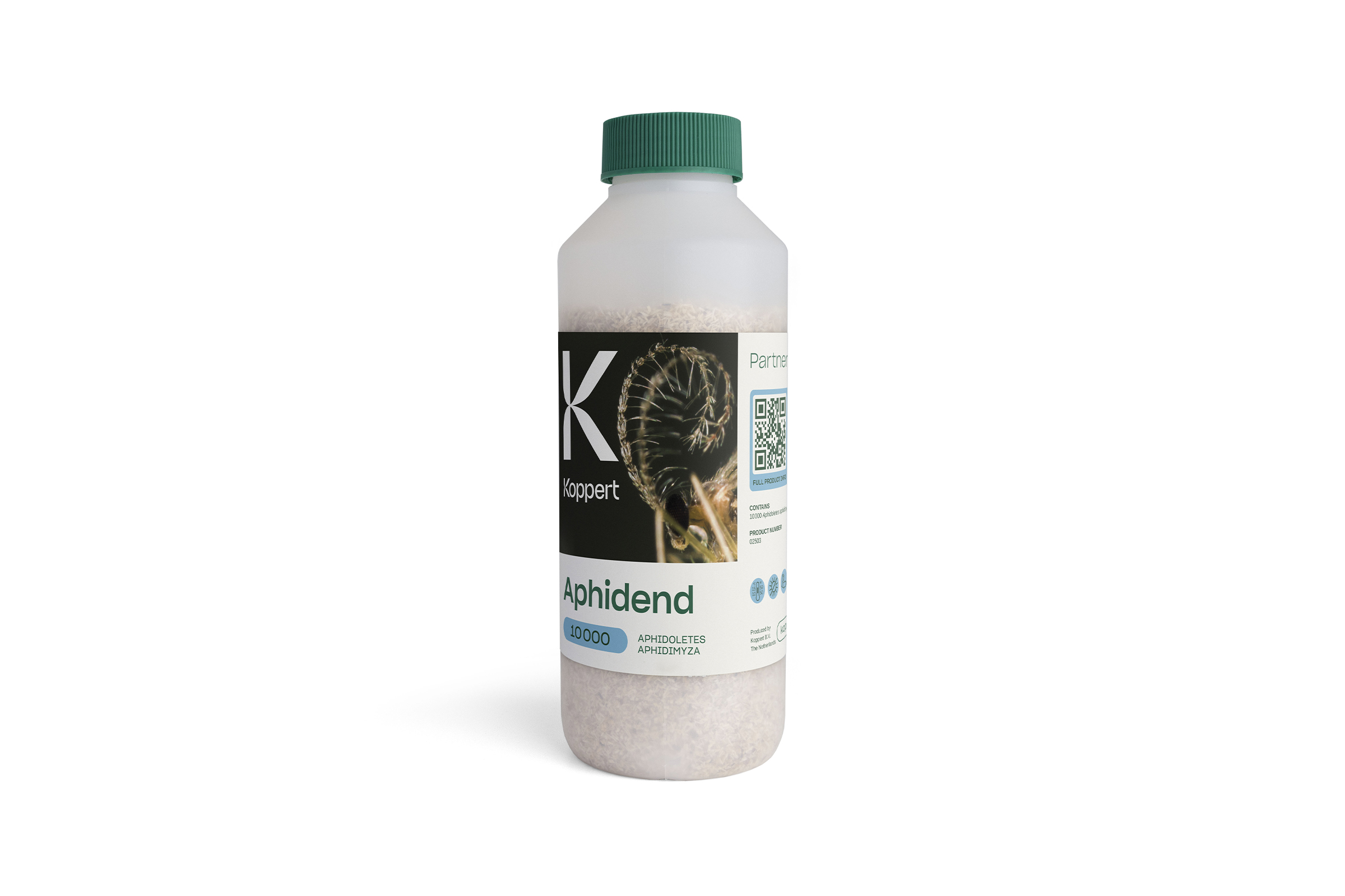
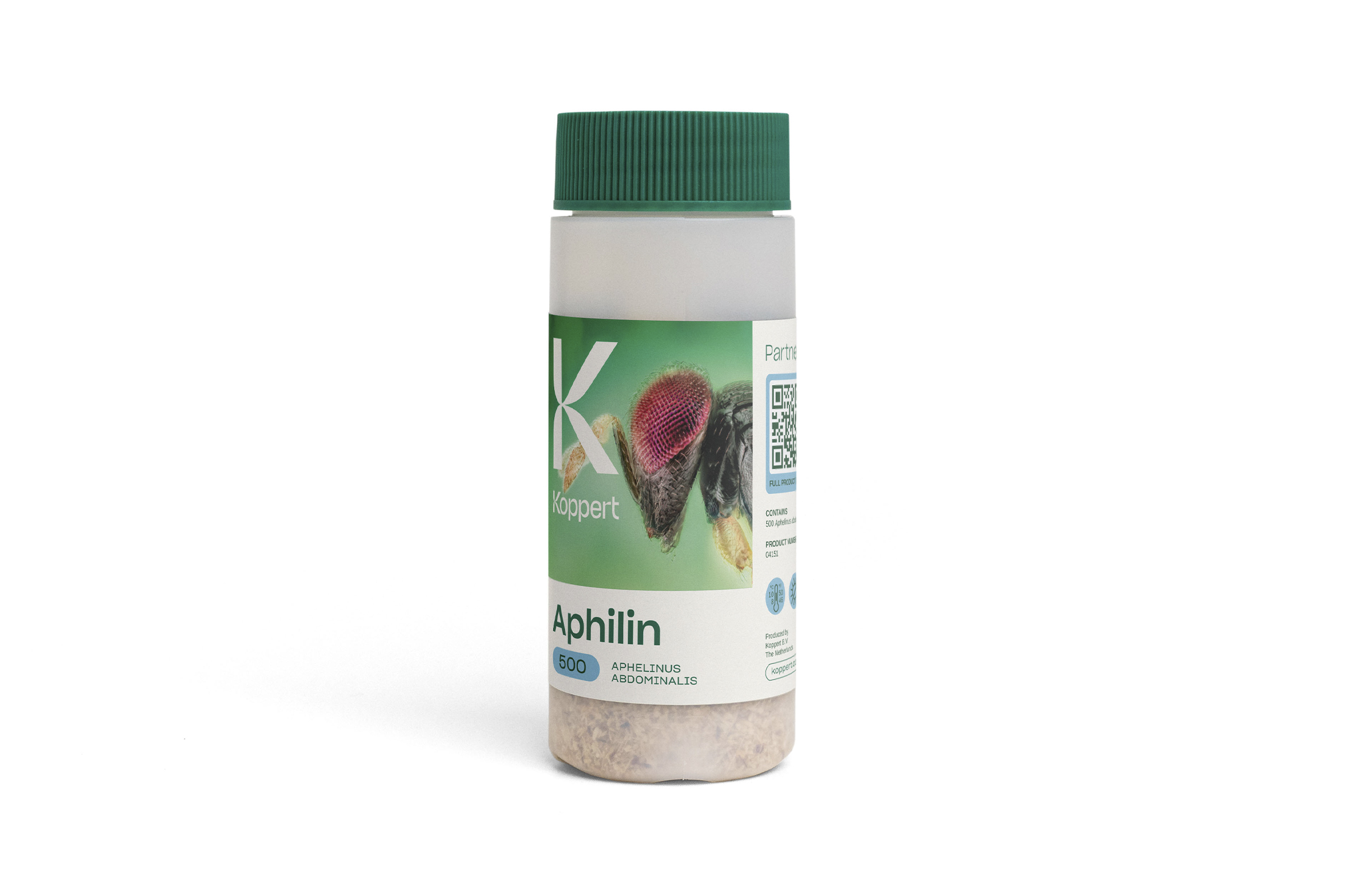
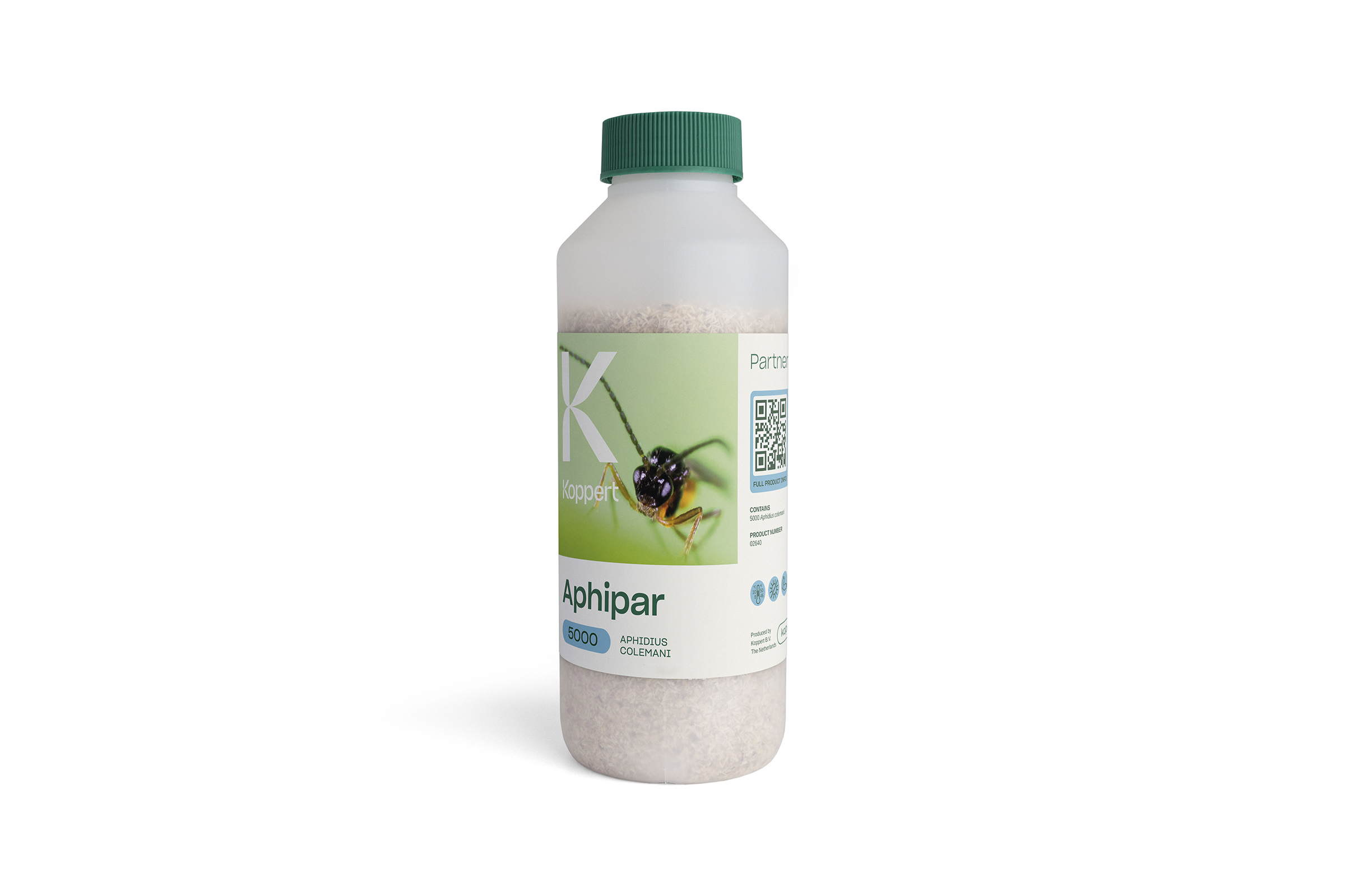
Aphids, a diverse group of small insects, have a notable impact on cucumber crops, with various species like Cotton aphid (Aphis gossypii), Glasshouse potato aphid (Aulacorthum solani), Potato aphid (Macrosiphum euphorbiae), and Green peach aphid or Tobacco aphid (Myzus persicae) posing significant challenges. These tiny pests feed on cucumber plants by piercing their tissues and extracting sap, leading to reduced plant vigor and potential yield loss. These aphids can not only stunt plant growth but also transmit various plant viruses, compounding the threat to cucumber crops.
Leaf miners
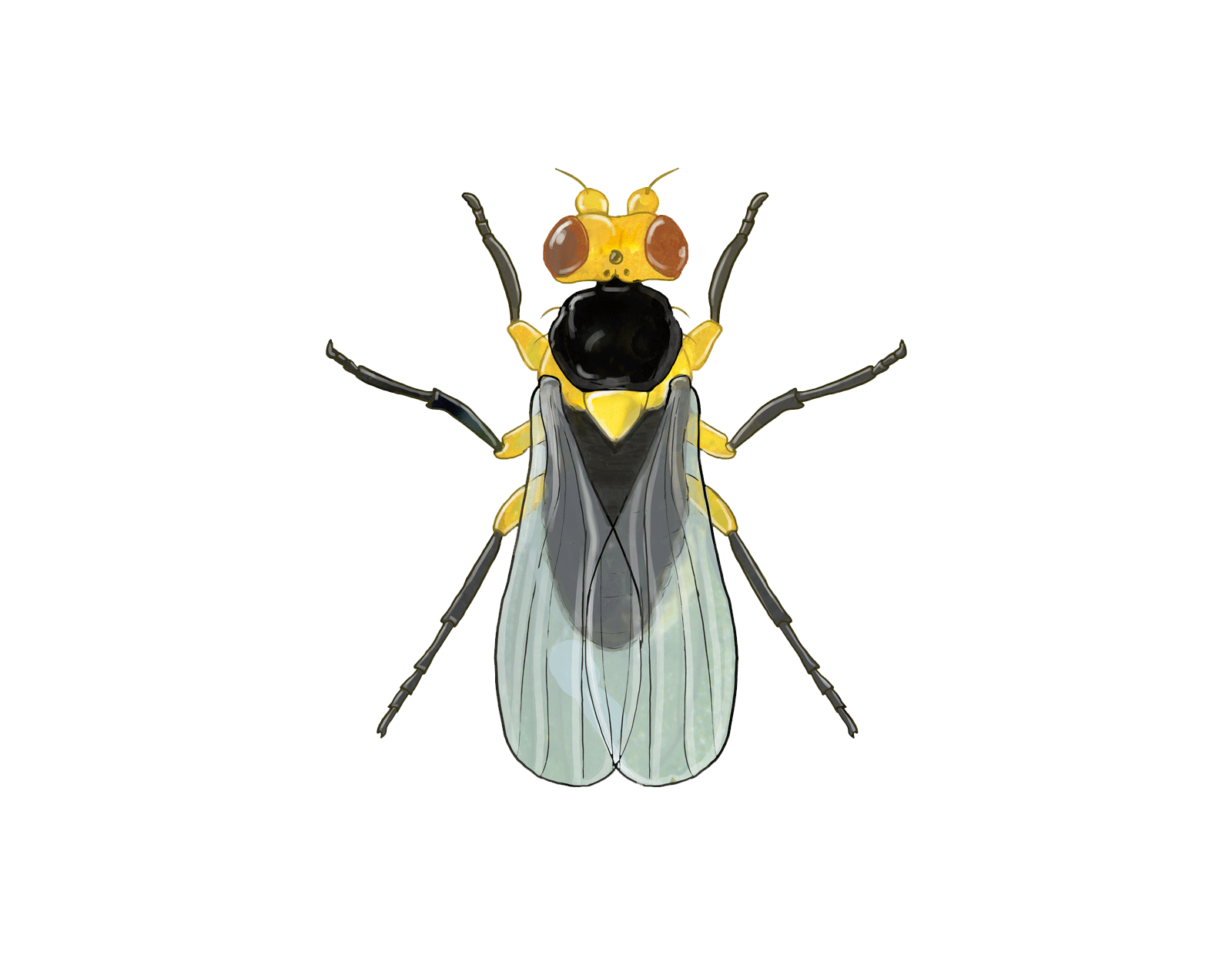
Leaf miners pose a persistent challenge within cucumber crops, with species like Tomato leafminer (Liriomyza bryoniae). These pests exhibit a unique and damaging behaviour, as their larvae burrow into cucumber leaves, creating distinctive serpentine tunnels as they feed on the plant's internal tissues. Leaf miners can rapidly infest cucumber plants, leading to reduced photosynthetic activity and compromised foliage integrity.
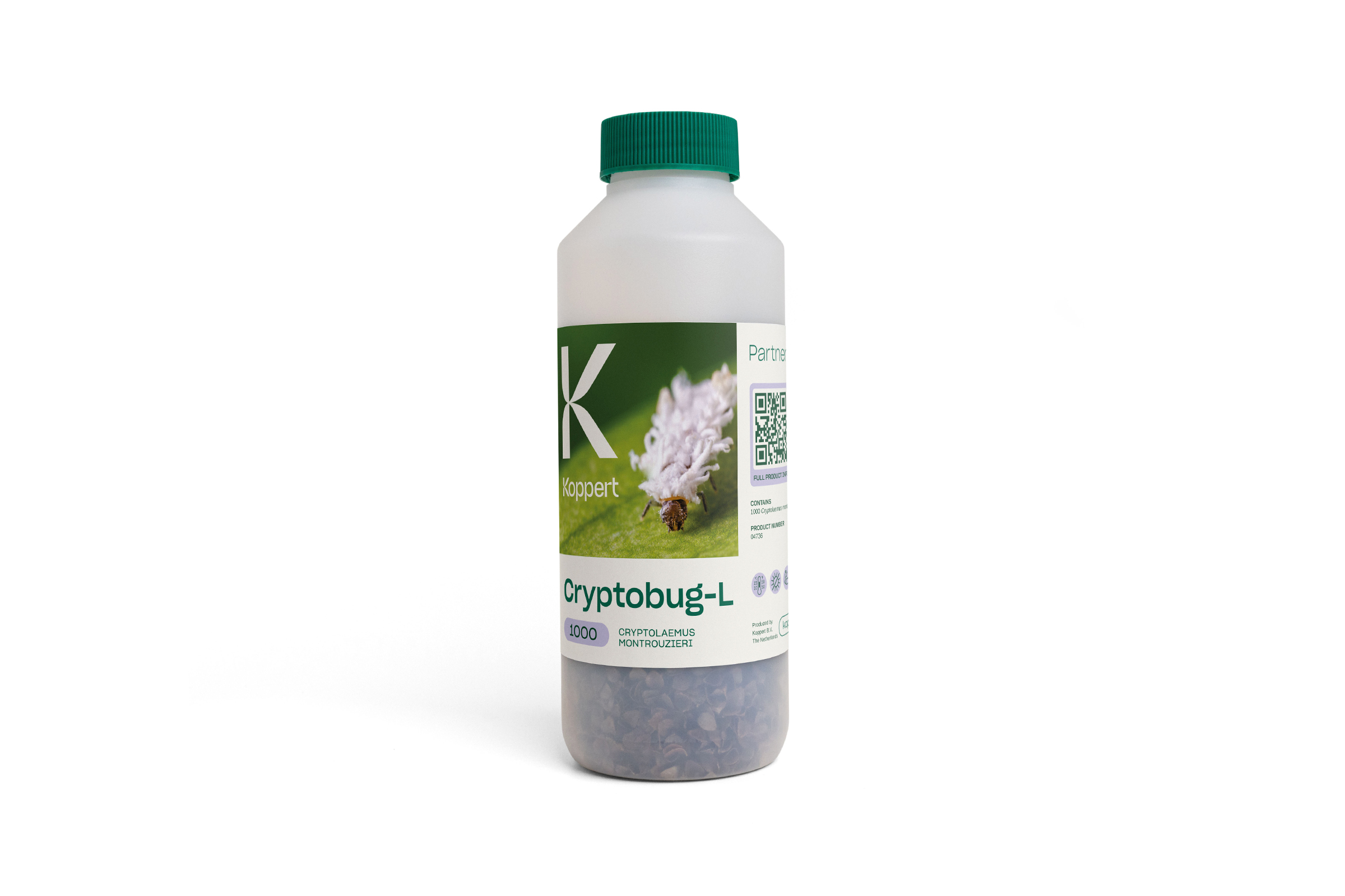
Mealybugs
Mealybugs can be a challenge for cucumber crops, with species like Citrus mealybug (Planococcus citri) being particularly troublesome. These tiny insects, characterized by their waxy and mealy appearance, have the potential to cause significant damage to cucumber plants. The citrus mealybug is one of the species that can infest cucumber foliage and stems.
Moths & Caterpillars
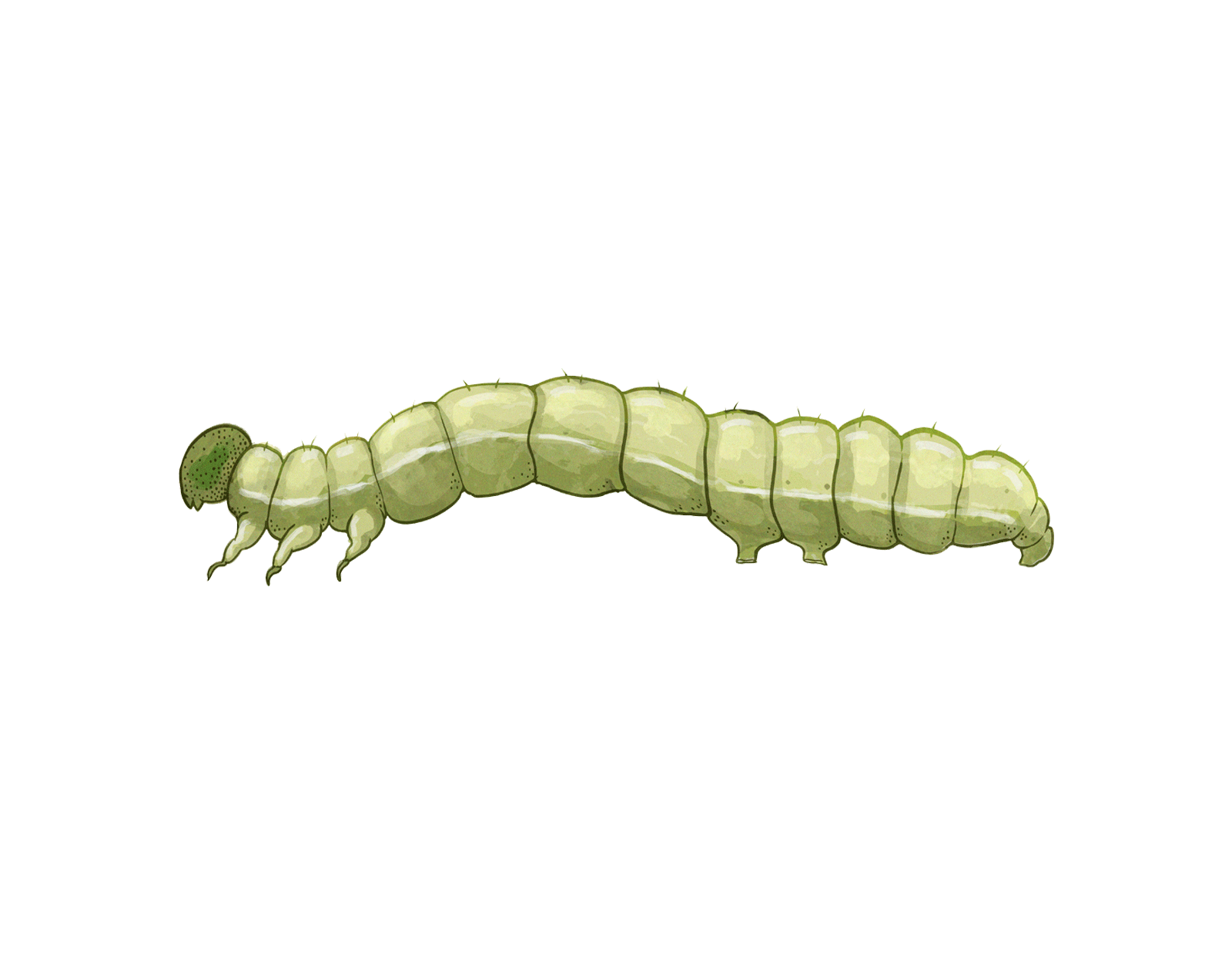
Moths and caterpillars are a significant threat to cucumber crops, with species like the tomato looper (Chrysodeixis chalcites) standing out as a noteworthy pest. The larvae of various moth species, can rapidly multiply and inflict substantial damage to cucumber plants. Feeding voraciously on cucumber foliage, these caterpillars can defoliate plants and impair fruit development, ultimately leading to reduced yields.
Plant bugs
Cucumber crops can also suffer from the presence of other plant bugs that can have adverse effects on their growth and yield. Among these, species like the Brown marmorated stink bug (Halyomorpha halys), Tarnished plant bug (Lygus rugulipennis), and other Lygus species, Nesidiocoris tenuis and the Southern green stink bug (Nezara viridula) pose significant concerns. These plant bugs, known for their piercing-sucking mouthparts, feed on cucumber plants by extracting sap from leaves, stems and fruits.
Spider mites
Spider mites are a frequent pest within cucumber crops. Two-spotted spider mite (Tetranychus urticae) are known for their rapid reproduction and web-spinning behaviour and can inflict considerable damage on cucumber plants. These mites feed on cucumber leaves by puncturing plant cells and extracting their contents, resulting in stippling, discoloration, and reduced photosynthetic activity.
Other pest mites
Also, other pest mite species like the Broad mite (Polyphagotarsonemus latus) are common pests in cucumber cultivation. These mites feed on plant tissues, causing distortion, discoloration, and deformities in leaves, stems, and fruits. Their minuscule size often makes them difficult to detect until substantial damage has occurred.
Thrips
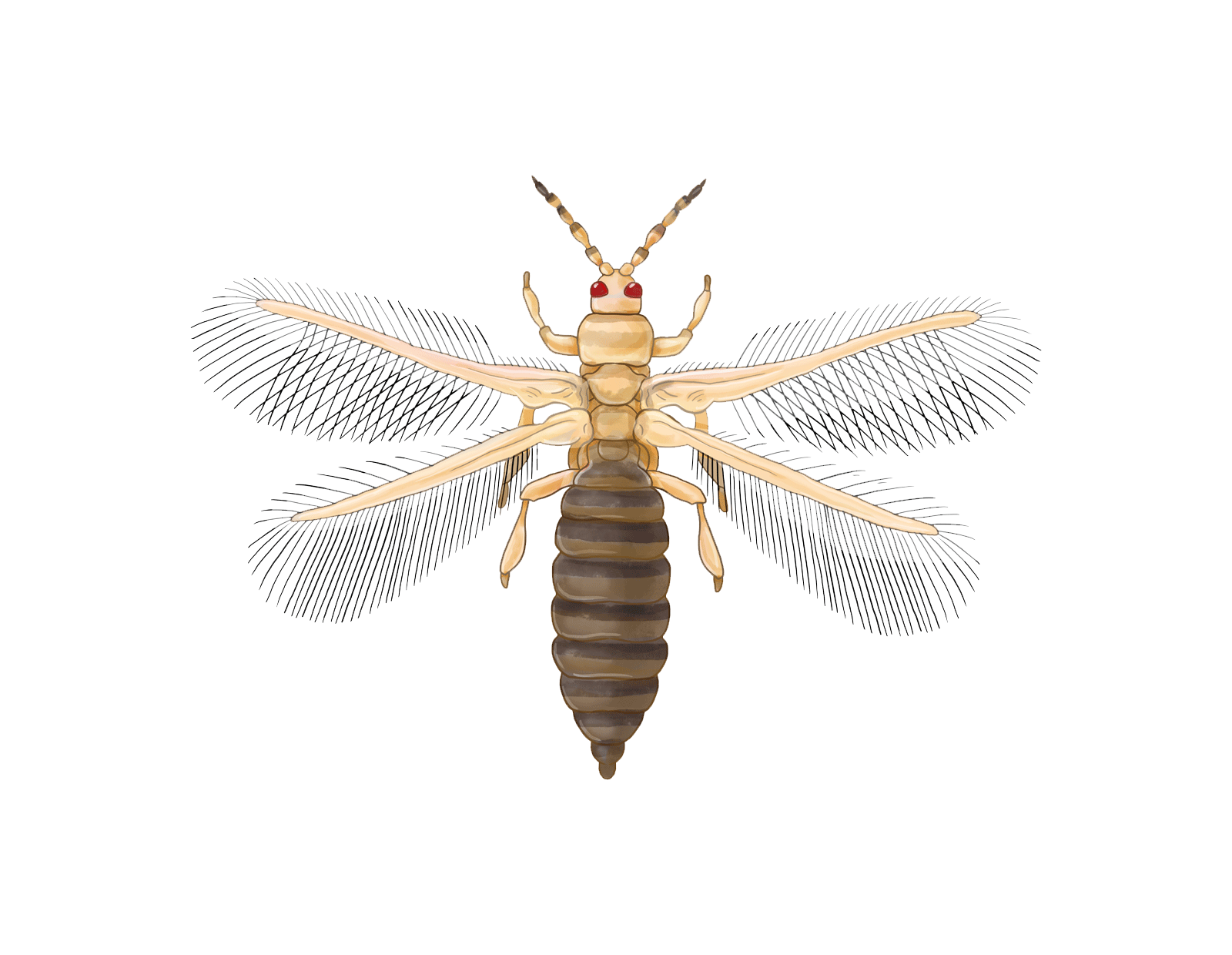
Thrips is a challenging pest in cucumber cultivation, with species like Onion thrips (Thrips tabaci), Western flower thrips (Frankliniella occidentalis) and Impatiens thrips (Echinothrips americanus) causing most problems. Thrips are characterized by their elongated bodies and rasping-sucking mouthparts. Thrips cause damage by piercing plant cells and extracting their contents.
Whitefly
Whitefly poses a significant challenge to cucumber crops. Species like Tobacco whitefly (Bemisia tabaci) and Greenhouse whitefly (Trialeurodes vaporariorum) are the biggest influence. Whiteflies are characterized by their white, powdery appearance and their ability to transmit plant viruses. They feed on cucumber plants by piercing plant tissues and extracting sap, leading to reduced plant vigour, stunted growth, and the potential spread of viral diseases.