


Search for pest species
-
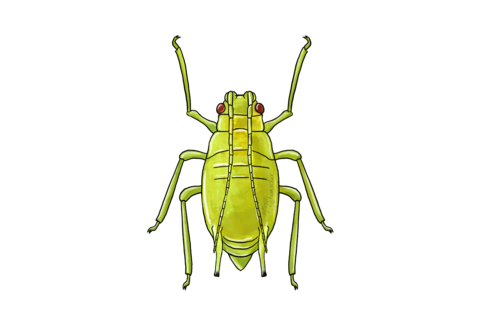
Aphids
HemipteraMore information about aphids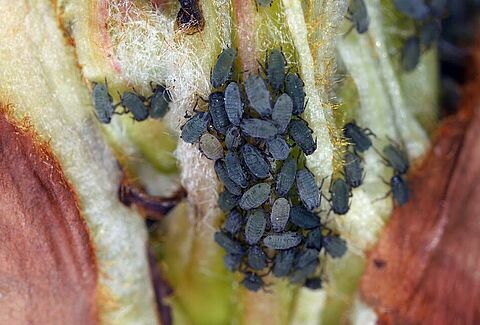
Pear aphid
Dysaphis pyri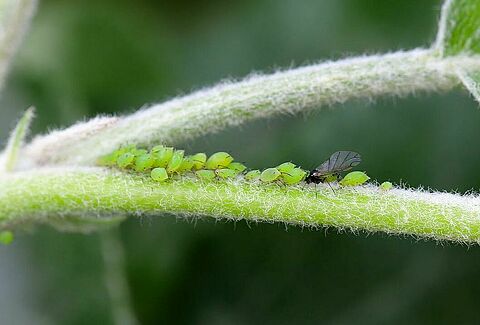
Green apple aphid
Aphis pomi
Shallot aphid
Myzus ascalonicus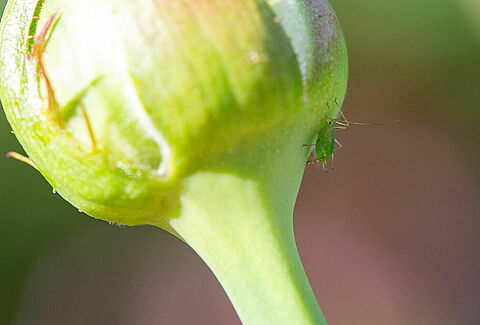
Rose aphid
Macrosiphum rosae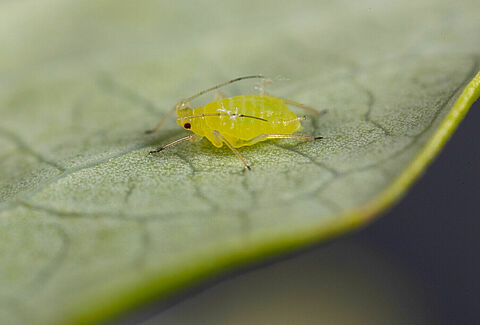
Blueberry aphid
Ericaphis scammelli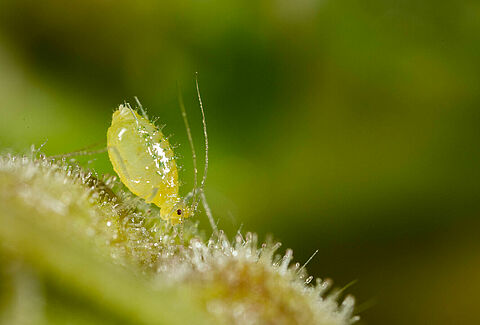
Blackcurrant aphid
Cryptomyzus galeopsidis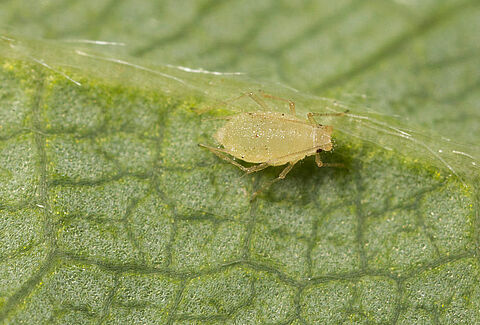
Strawberry aphid
Chaetosiphon fragaefolii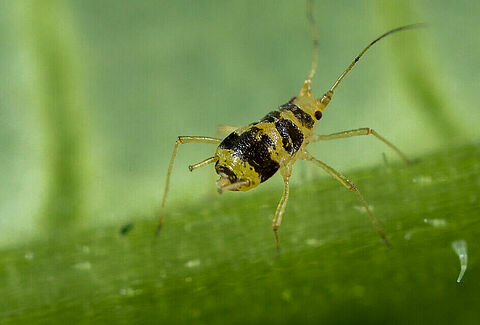
Mottled arum aphid
Neomyzus circumflexus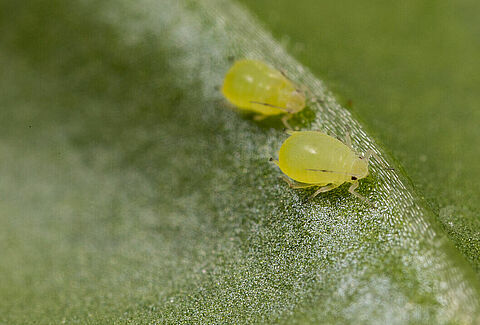
Buckthorn-potato aphid
Aphis nasturtii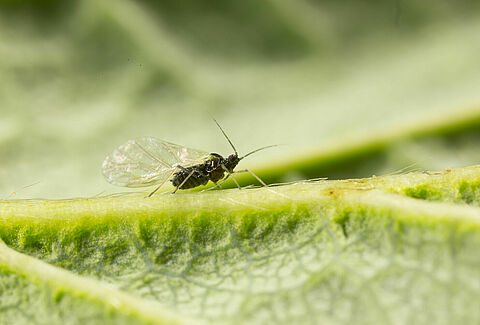
Black bean aphid
Aphis fabae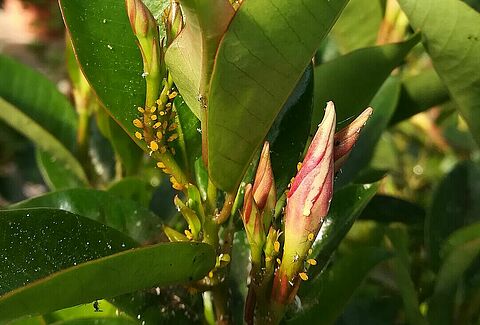
Oleander aphid
Aphis nerii
Large blackberry aphid
Amphorophora rubi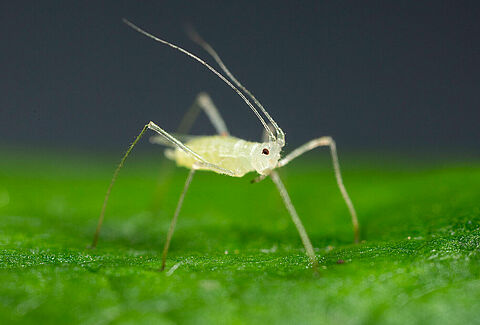
Large raspberry aphid
Amphorophora idaei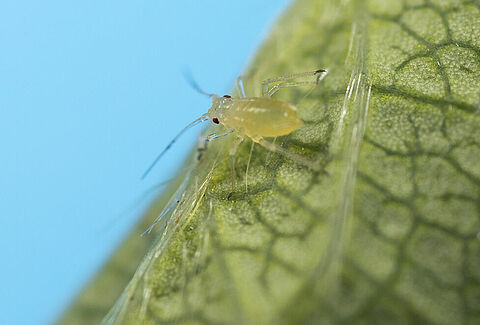
Geranium aphid
Acyrthosiphon malvae rogersii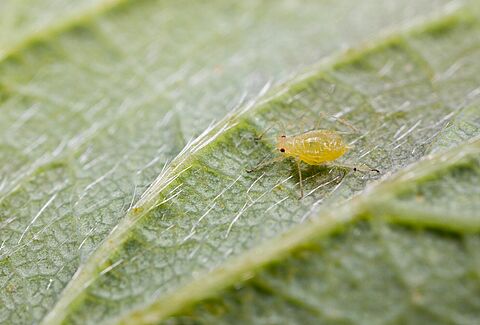
Yellow rose aphid
Rhodobium porosum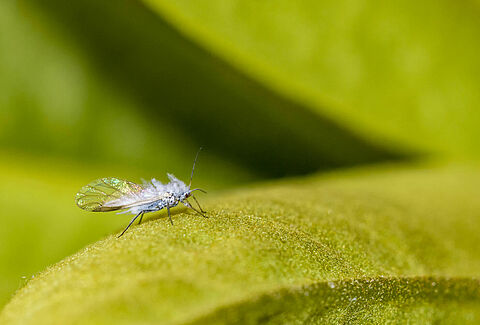
Woolly apple aphid
Eriosoma lanigerum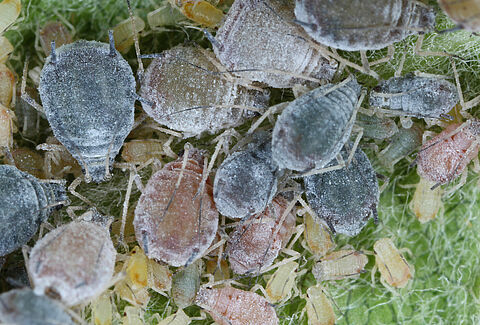
Apple rosy aphid
Dysaphis plantaginea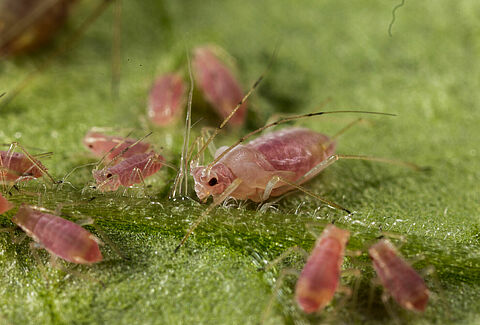
Potato aphid
Macrosiphum euphorbiae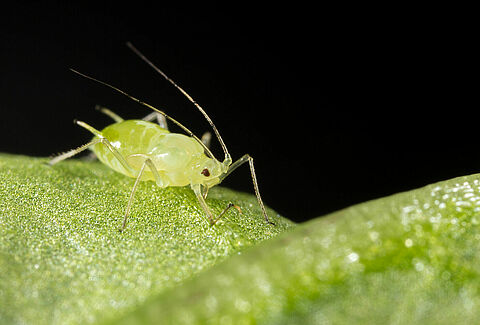
Glasshouse potato aphid
Aulacorthum solani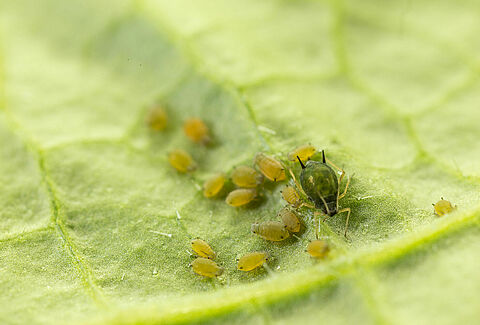
Cotton aphid
Aphis gossypii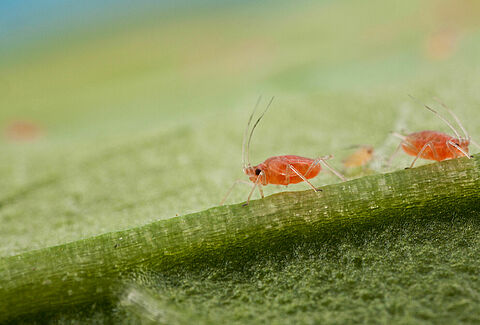
Tobacco aphid
Myzus nicotianae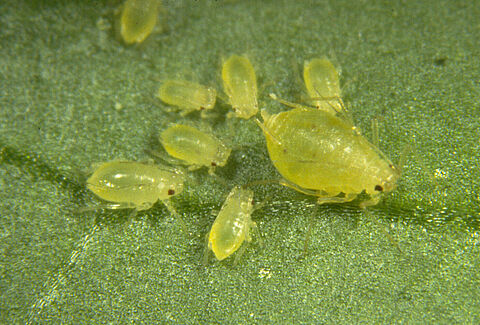
Green peach aphid
Myzus persicae -
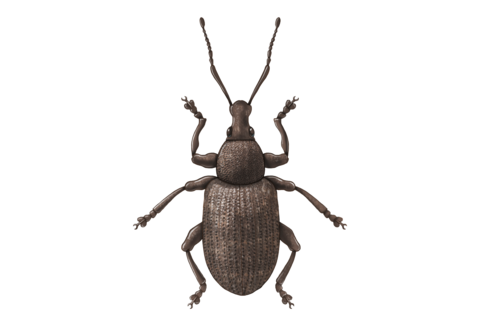
Beetles
ColeopteraMore information about beetles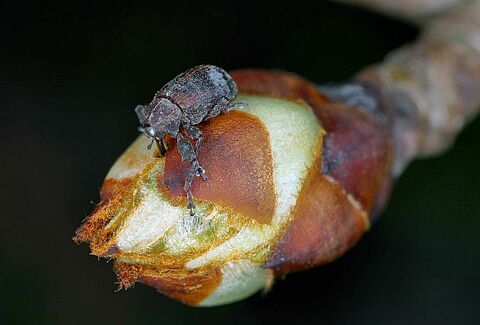
Pear blossom weevil
Anthonomus piri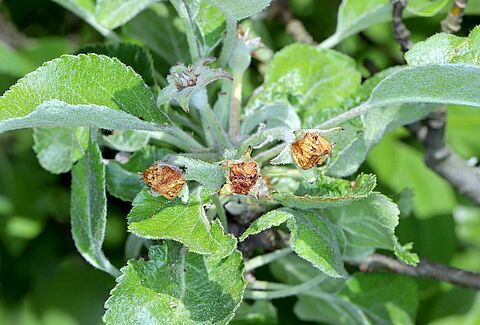
Apple blossom weevil
Anthonomus pomorum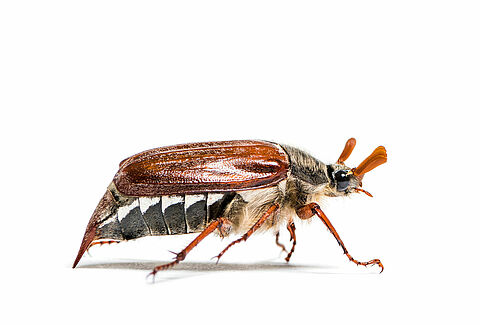
Chafers
Amphimallon spp.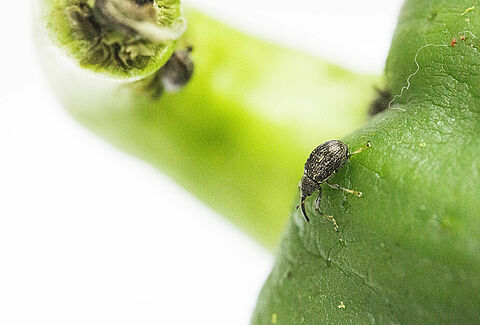
Pepper weevil
Anthonomus eugenii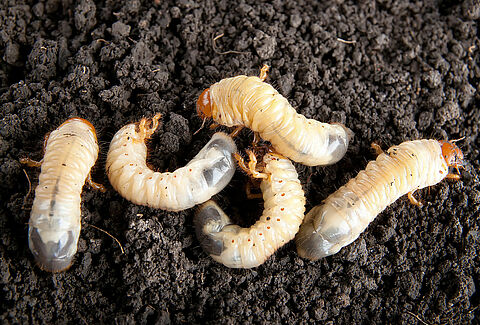
May beetle
Phyllophaga spp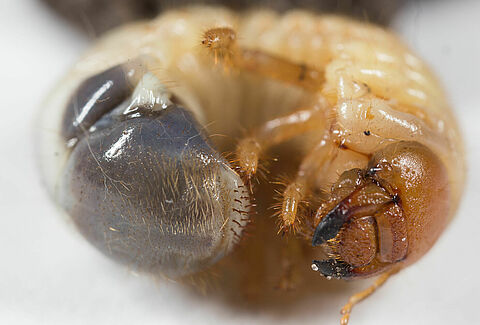
Garden chafer
Phyllopertha horticola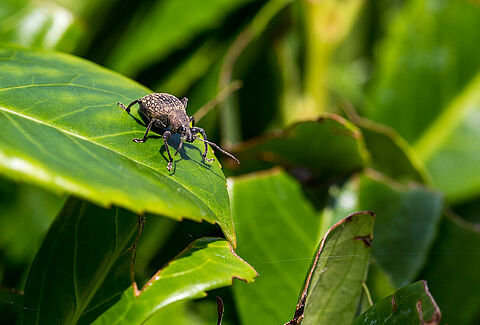
Black vine weevil
Otiorhynchus sulcatus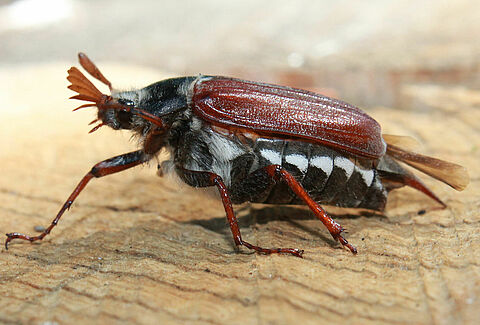
Common cockchafer
Melolontha melolontha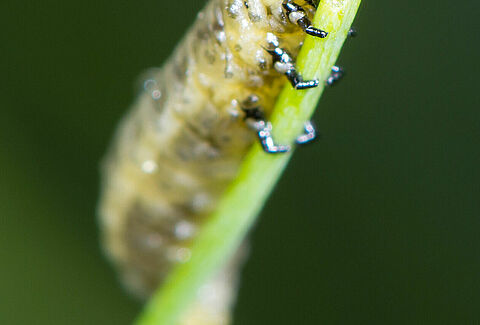
Common asparagus beetle
Crioceris asparagi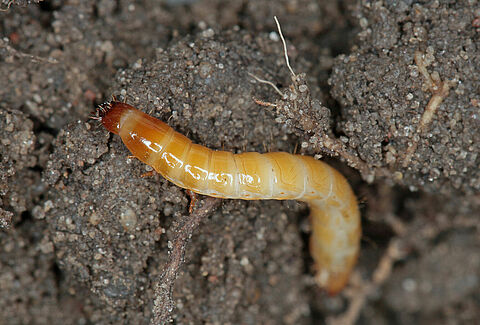
Click beetles
Agriotes spp. -
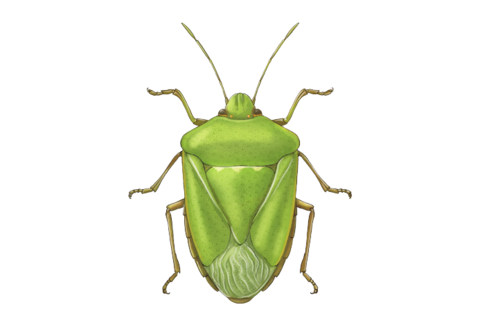
Bugs
HemipteraMore information about bugs -
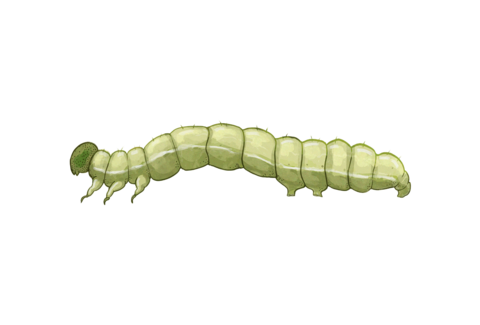
Caterpillars
LepidopteraMore information about caterpillars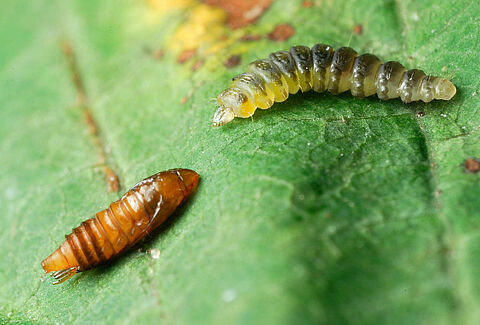
Horse-chestnut leaf miner
Cameraria ohridella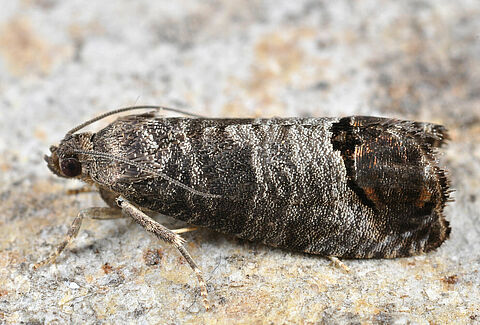
Codling moth
Cydia pomonella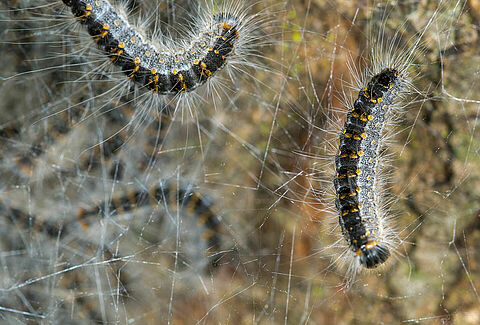
Oak processionary moth
Thaumetopoea processionea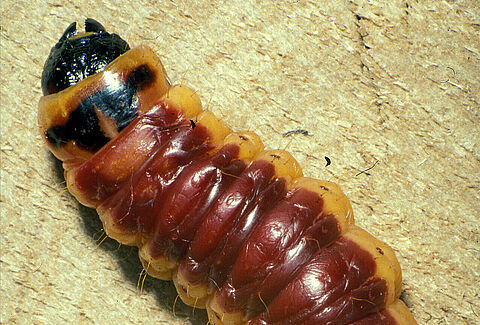
Goat moth
Cossus cossus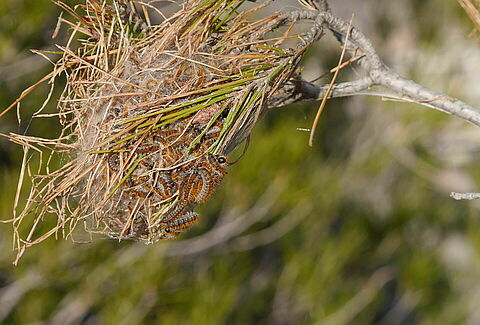
Pine processionary moth
Thaumetopoea pityocampa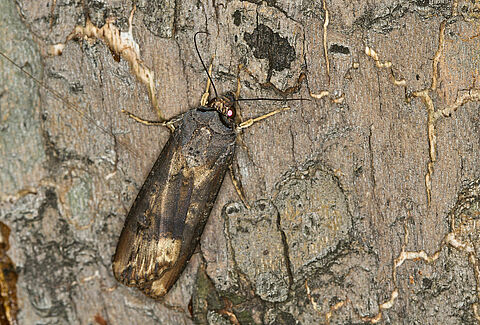
Cutworms
Agrotis spp.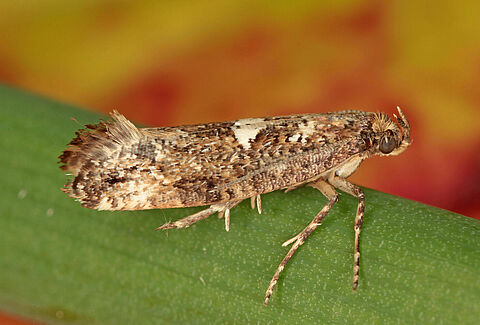
Leek moth
Acrolepiopsis assectella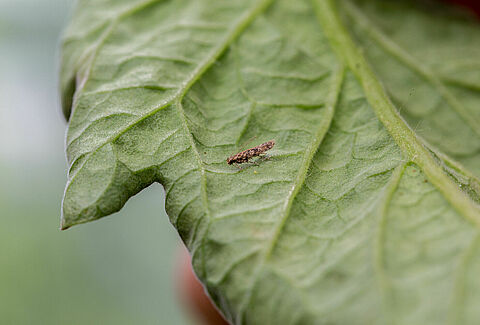
Tomato leafminer
Tuta absoluta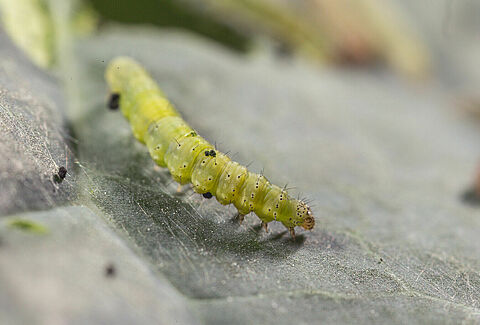
Diamond back moth
Plutella xylostella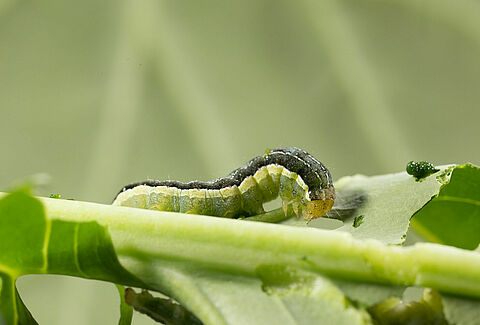
Cabbage moth
Mamestra brassicae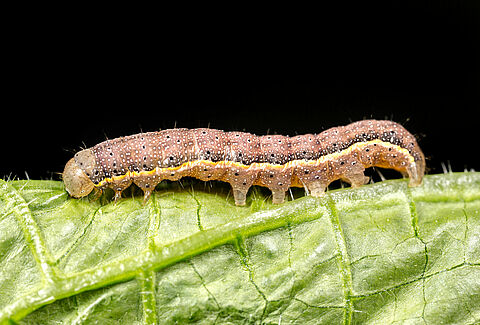
Tomato moth
Lacanobia oleracea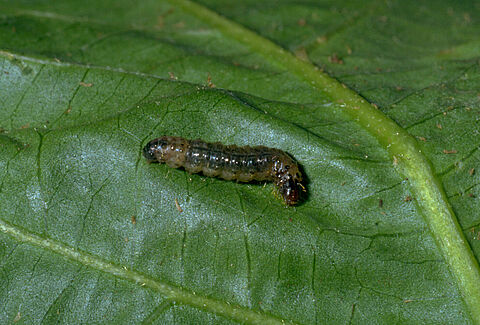
Southern European marshland pyralid
Duponchelia fovealis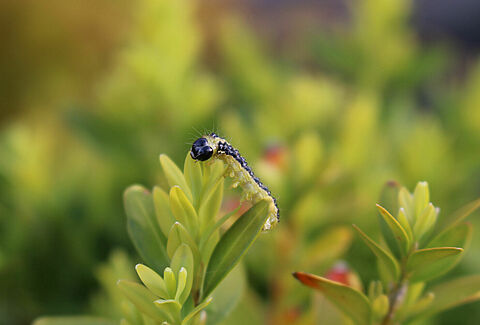
Box tree moth
Cydalima perspectalis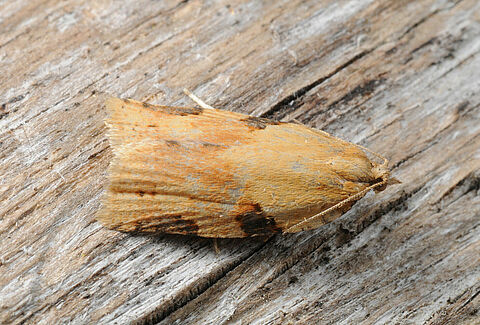
Cabbage leafroller
Clepsis spectrana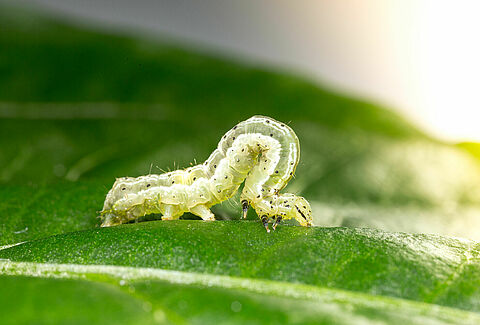
Tomato looper
Chrysodeixis chalcites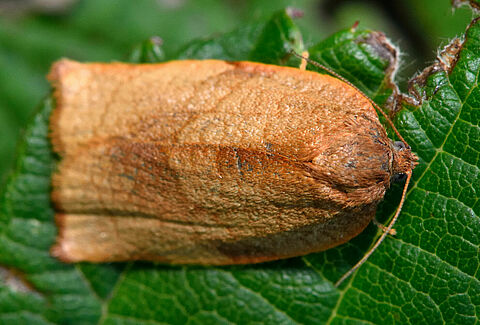
Carnation tortrix
Cacoecimorpha pronubana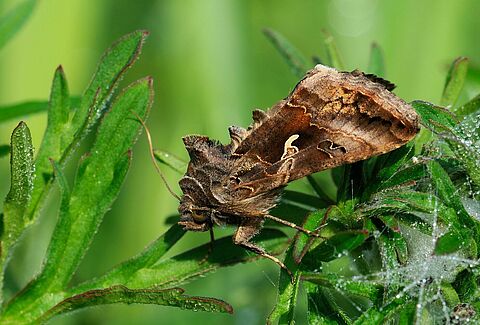
Silver-Y moth
Autographa gamma -
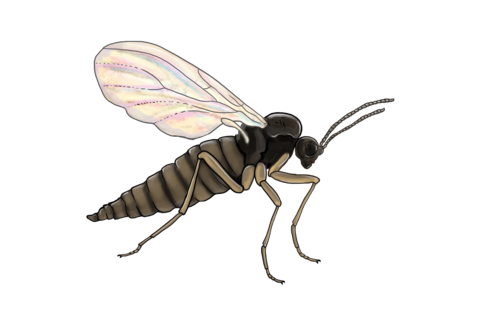
Flies
Diptera -
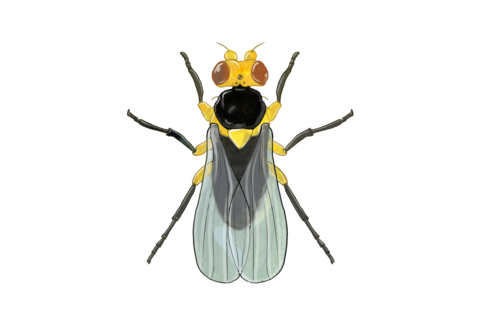
Leaf miners
Diptera -
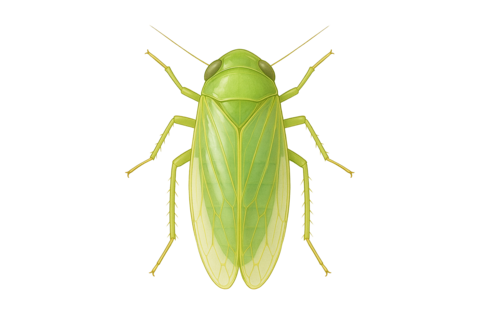
Leafhoppers
HemipteraMore information about leafhoppers -
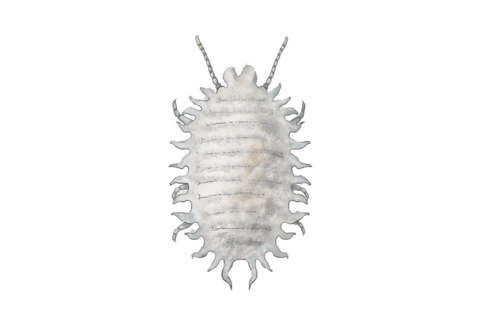
Mealybugs and scales
HemipteraMore information about mealybugs and scales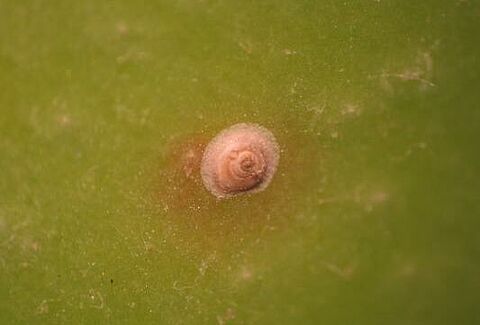
San José scale
Comstockaspis perniciosa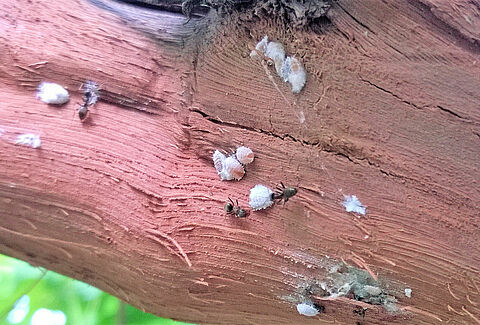
Vine mealybug
Planococcus ficus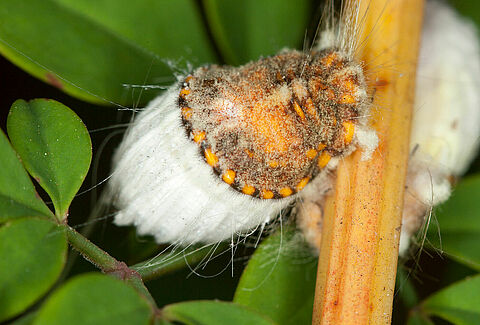
Cottony cushion scale
Icerya purchasi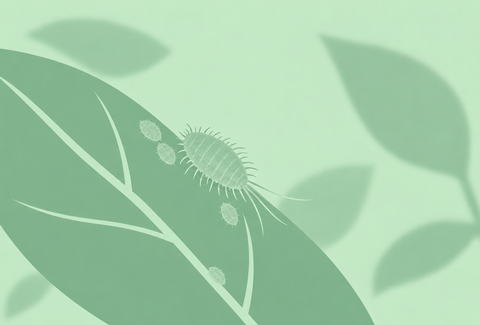
Boisduval scale
Diaspis boisduvalii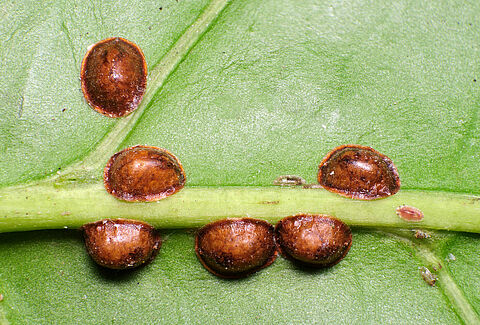
Hemispherical scale
Saissetia coffeae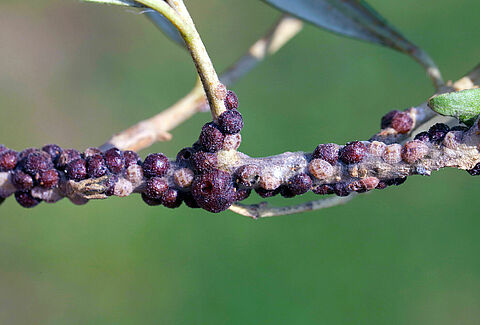
Olive scale
Saissetia oleae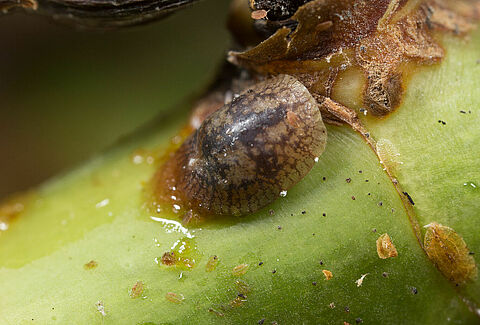
Brown soft scale
Coccus hesperidum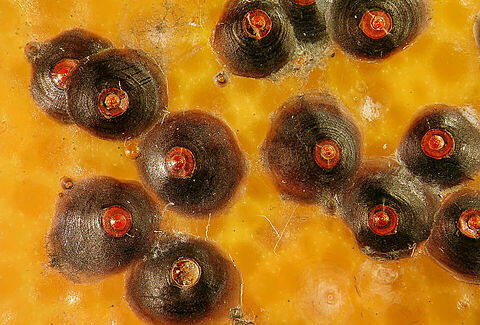
Circular scale
Chrysomphalus aonidum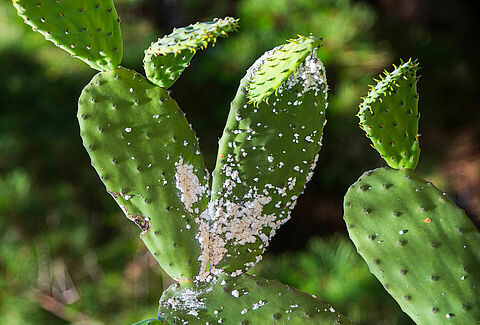
Cactus mealybug
Atrococcus mamillariae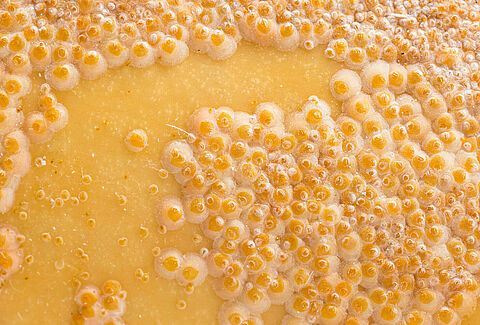
Oleander scale
Aspidiotus nerii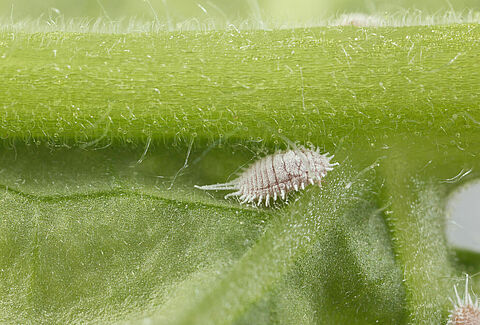
Obscure mealybug
Pseudococcus viburni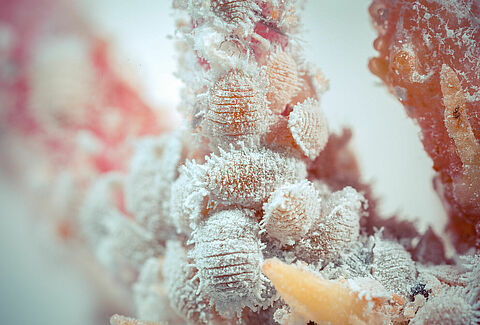
Citrus mealybug
Planococcus citri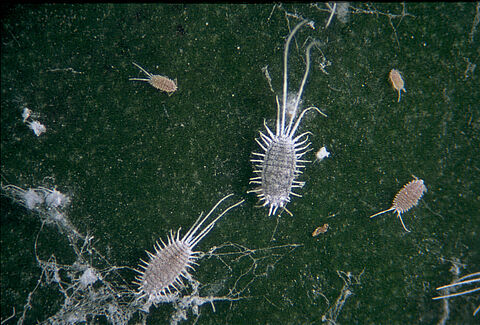
Long-tailed mealybug
Pseudococcus longispinus -
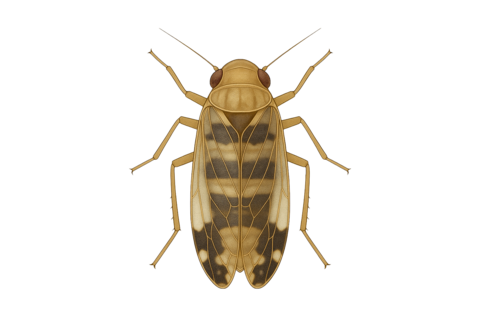
Psyllids
HemipteraMore information about psyllids -
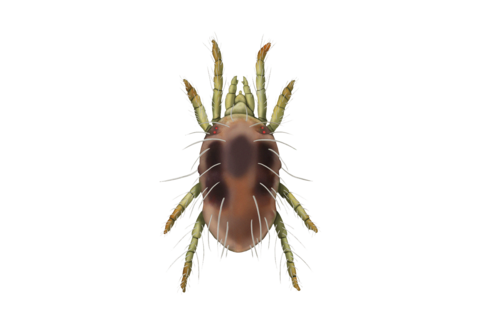
Spider mites and other mites
TrombidiformesMore information about spider mites and other mites -
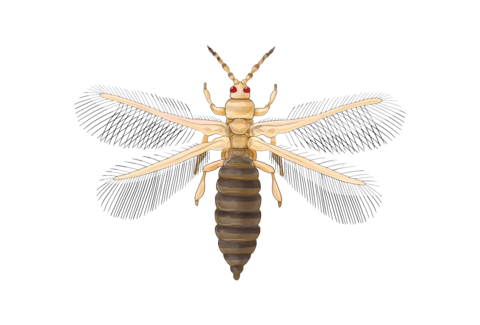
Thrips
Thysanoptera -

Whitefly
HemipteraMore information about whitefly

Solution Finder
The right solution for your crop
Questions or need help?
Contact usQuestions or need help?
Contact usThe latest news about pests


Common plant pests
-
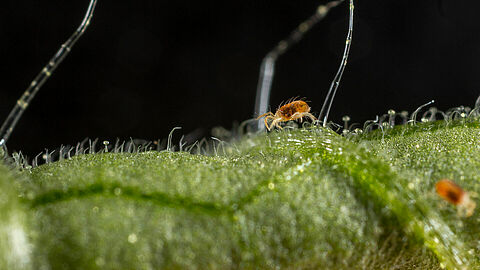
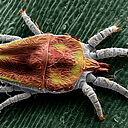
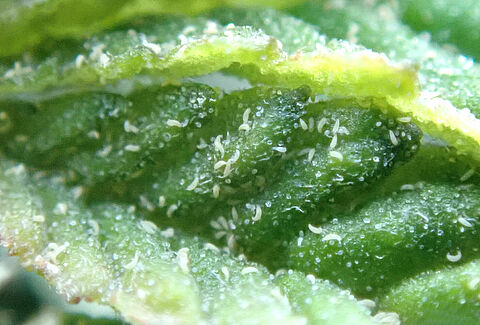
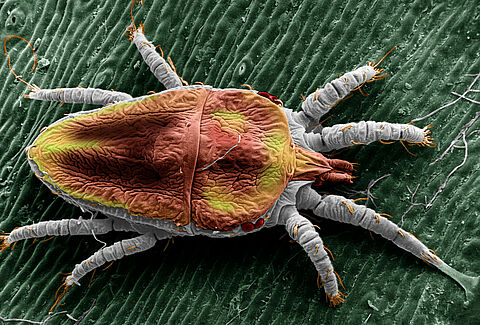
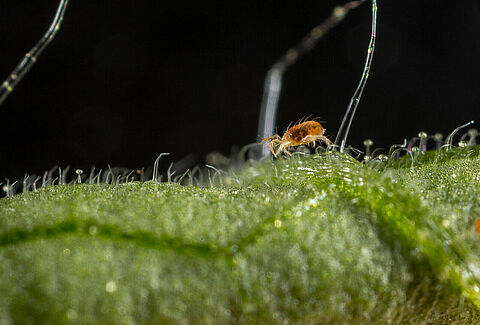
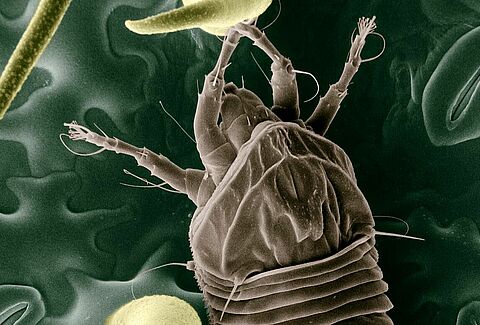
Spider mites
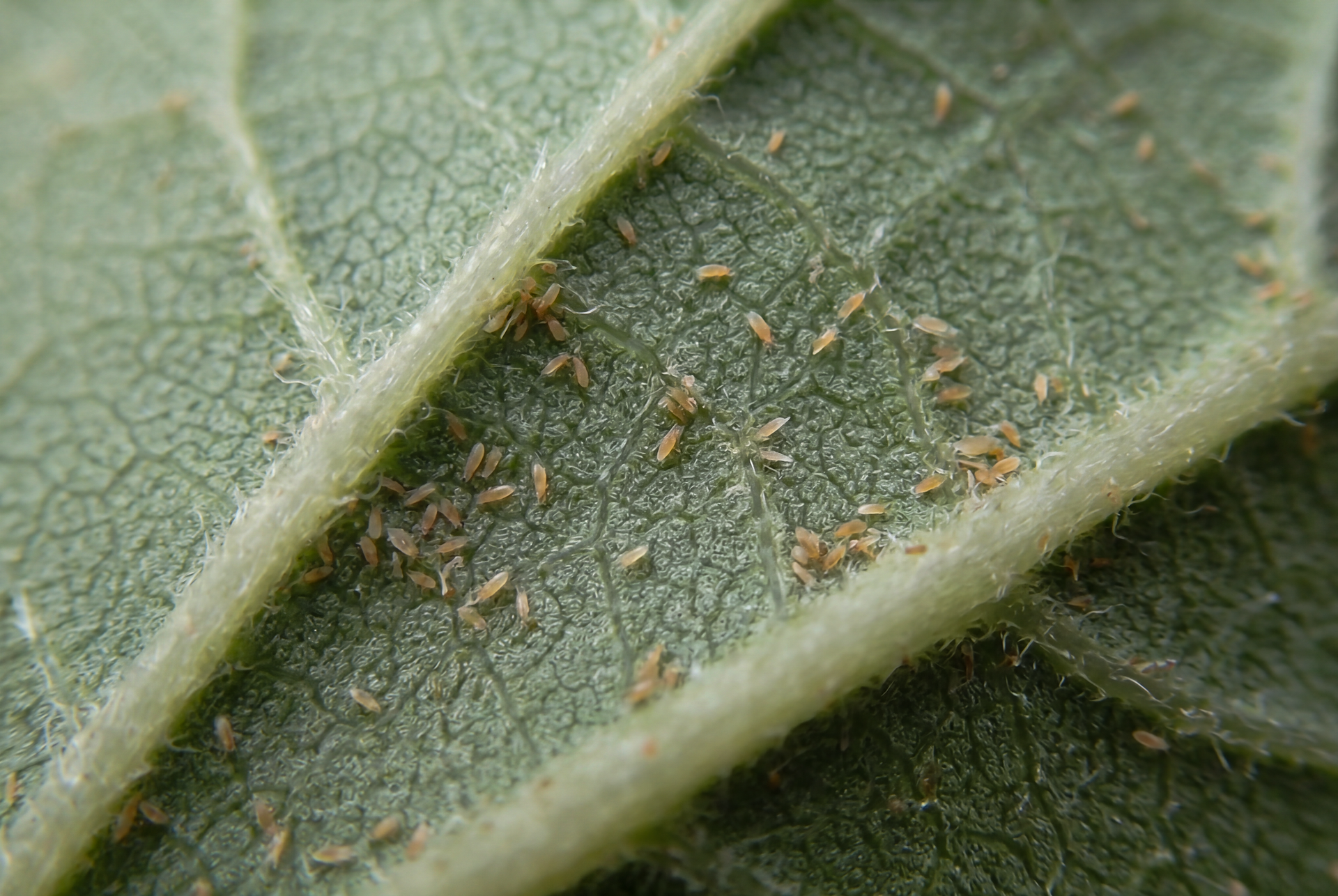
Spider mites are not actual insects but arachnids. They are extremely tiny and often go unnoticed until they cause severe damage to plants by sucking the cell contents. Learn more about spider mite damage and natural solutions to control them.
-
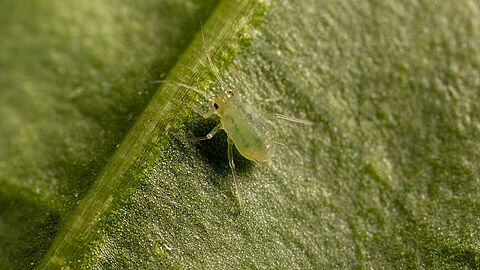
Aphids
-
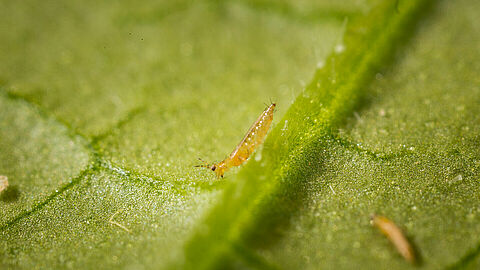
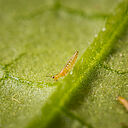
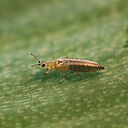
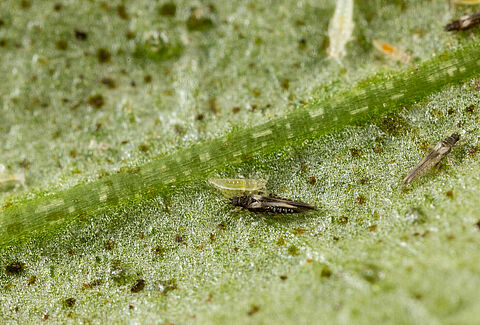
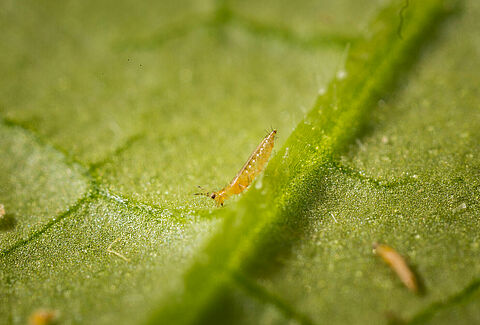
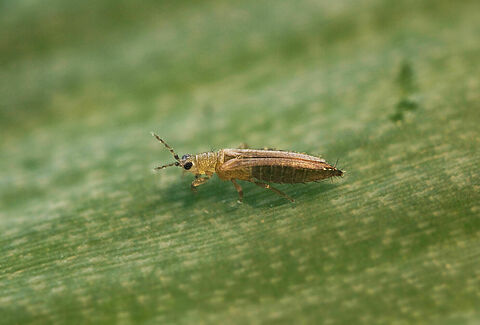
Thrips
Thrips are slender insects with fringed wings and rasping mouthparts. They can cause extensive damage to plants by feeding on the sap and spreading viruses. Learn more about thrips damage and effective prevention and control strategies.
-
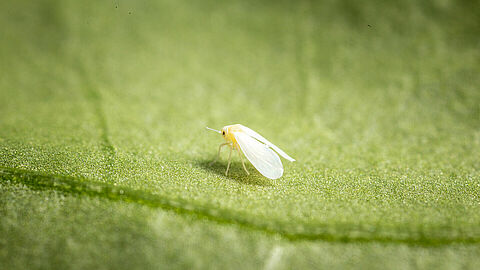
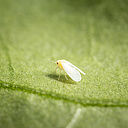
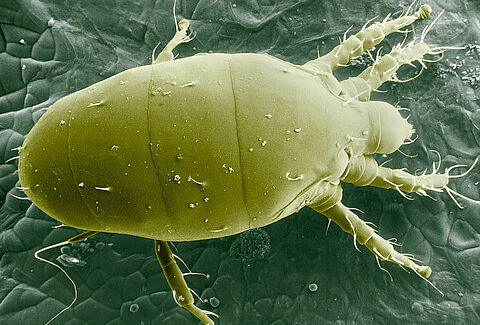
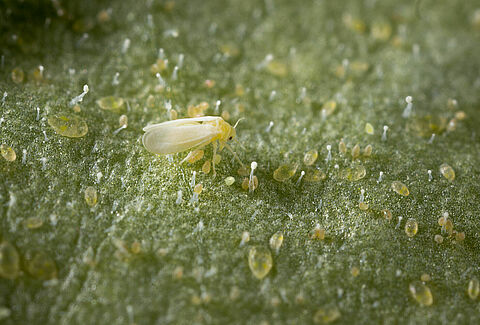
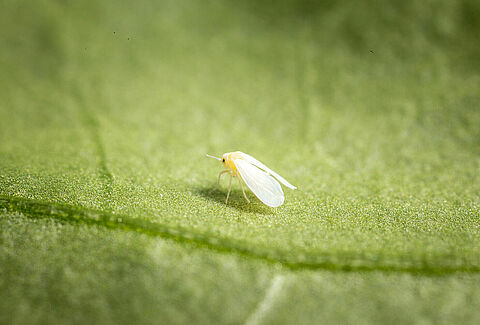
Whitefly
Whiteflies are small, flying insects that cluster on the undersides of leaves, sucking plant juices and causing wilting and yellowing of foliage. Learn more aboute whitefly damage, their development and natural solutions.
-
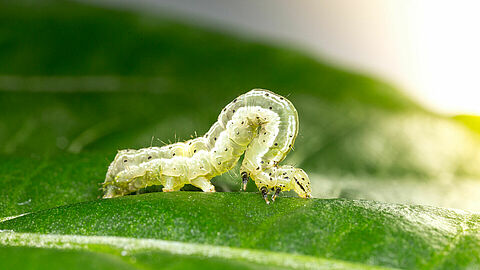
Caterpillars
Caterpillars can cause serious economic damage. Most species feed on leaves and young shoots, and their enormous feeding capacity can rapidly destroy a plant. Recognize the damage symptoms caused by caterpillars, learn preventive measures, and explore effective control solutions for managing this pest.
-
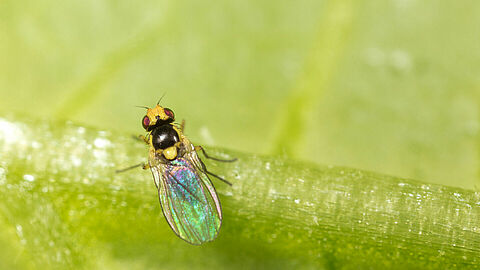
Leaf miners
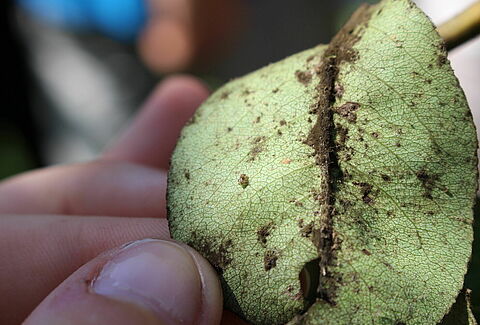
Leaf miners cause damage to plants both directly and indirectly. The most direct damage is caused by the larvae mining the leaf tissue which can lead to depletion, premature leaf-fall and cosmetic damage. Learn to recognize leaf miners, prevent infestations, and discover natural solutions.
-
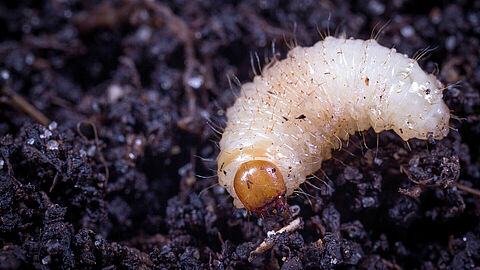
Beetles
Beetles harm crops by consuming leaves, fruits, and roots. Understanding their impact is crucial for balanced pest management. Learn about effective strategies and products to manage beetle infestations and ensure healthy plant growth.
-
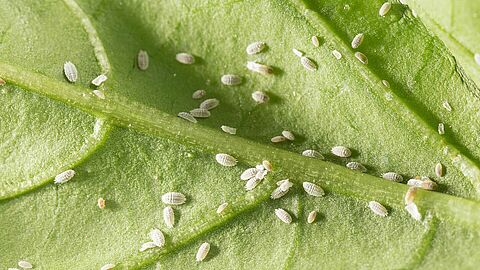
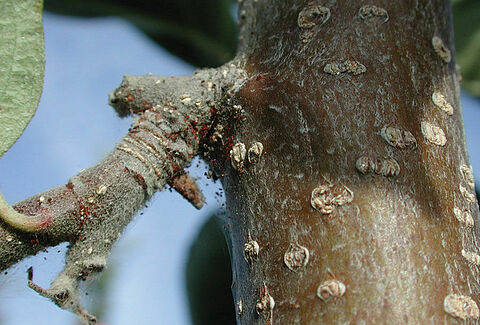
Mealybugs and scales
Although most species of mealybugs feed on the aerial parts of the plant, some species extract their nourishment from roots, whilst others are gall-formers. Identify the damage symptoms caused by mealybugs, learn preventive techniques, and discover effective control solutions for managing this pest.
-
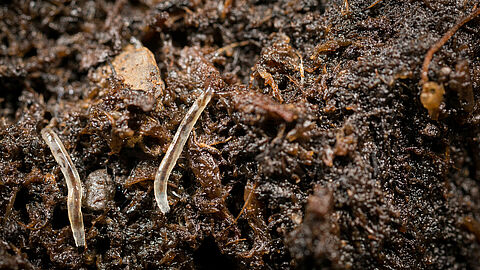
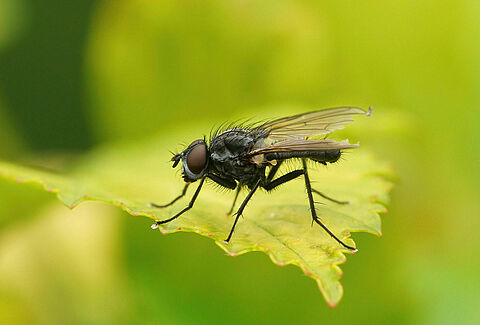
Flies
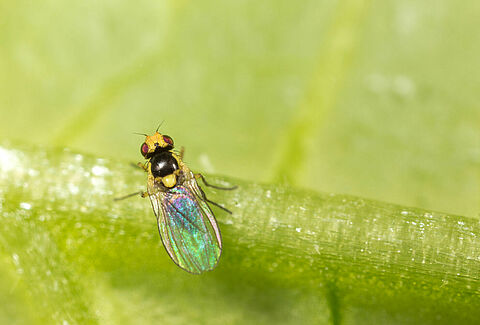
Flies can cause damage to crops both directly and indirectly. The type of damage depends on the species of the flies. Recognize fly damage symptoms and find control strategies for these pests.
-
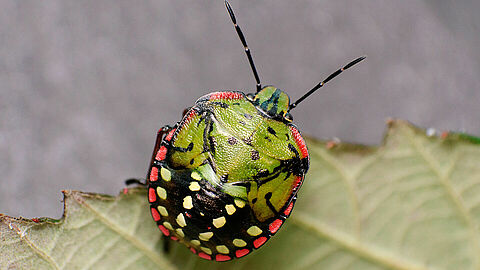
Plant bugs
Phytophagous bugs damage plants by puncturing leaves and growing points with their piercing-sucking mouthparts and extracting nutrients from them, resulting in deformations and puncture holes. Learn preventive techniques, and discover effective control solutions for managing this pest.