
Integrated Pest Management (IPM) in tomato crops

Integrated Pest Management (IPM) is of importance in tomato cultivation. Tomatoes are exceptionally susceptible to a range of formidable pests, including aphids, leafminers, mealybugs, caterpillars, plant bugs, spider mites and other pest mites, thrips, and whiteflies, which can swiftly devastate entire fields if left unchecked. Concurrently, bacterial and fungal diseases pose a continuous threat to tomato plants, potentially decimating yields.
IPM emerges as a critical strategy. This approach combines various eco-friendly techniques to manage pests and diseases effectively while minimising the use of synthetic chemical pesticides. By employing practices such as biological control, crop rotation, and careful monitoring, IPM not only preserves the health of tomato crops but also contributes to sustainable and environmentally responsible agriculture.
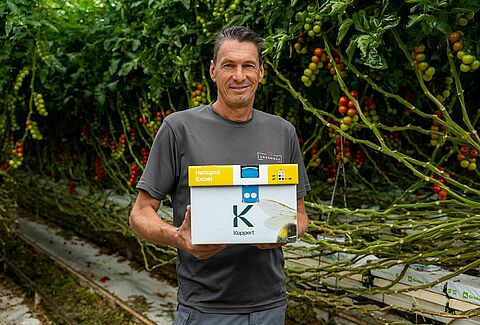
Bumblebee pollination not only plays a critical role in enhancing fruit set and yield in tomato crops, but also contributes to integrated pest management (IPM) practices. The use of bumblebees contributes to sustainable pest control and promotes the overall health of tomato crops, as it stimulates growers to minimise the use of synthetic pesticides.