applied with regular high volume spray equipment Spray until runoff Thorough leaf coverage is essential for the best results. Direct the spray onto the underside
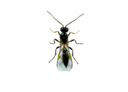
in greenhouse and field crops. Their feeding and virus transmission cause leaf deformation, silvering and fruit damage, leading to reduced yield and ma [...] hatching, the larvae begin to feed on plant tissue on the underside of the leaf. The larvae are smaller than the adults and lack wings. Depending on the
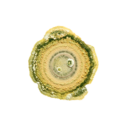
Fusarium spp. Fusarium fungi cause vascular wilt, root rot, foot and stem rot, leaf lesions, fruit rot, head blight in cereals, and post-harvest decay. Fusarium
underside of leaves. This causes a window effect where the epidermis of the upper leaf surface remains undamaged. Young caterpillars are often found in groups,
hence supports growth and development of young cereal plants up to the five-leaf stage. Suitable for organic and conventional cultivation. Diseases Seed-borne
and open-field crops. These pests pierce plant cells, causing stippling, leaf yellowing, and eventual necrosis. Outbreaks can escalate quickly under warm
Pseudomonas chlororaphis MA 342 remains active on the roots until the fifth leaf development stage. Read more Why use Cerall Biological fungicide effective
are: Leaves & stems Nettle-like heads and/or bubbling of the leaves Stunted leaf growth Leaves have a pale or grey colour Necrotic and dying leaves Yellow
fertilize. The female second instar nymphs, on the other hand, settle on the leaf and begin to secrete wax, moulting to a third instar and then the adult female
randomly on the plant. Their efficiency is seriously impaired by the presence of leaf hairs. The larvae are not easily observed and are mainly active at night