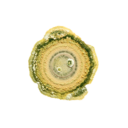
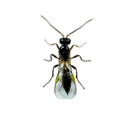
General As the name implies, the European red mite, Panonychus ulmi , is mainly a pest of fruit trees (apple, pear, plum and cherry). However, it can attack a large scale of other woody plants and is
General The oleander aphid, Aphis nerii , sometimes also called the milkweed aphid, is a common pest of several important ornamental plants in the families Apocynaceae and Asclepiadaceae. It is common
General The black tea thrips , Heliothrips haemorrhoidalis , is widely distributed in the tropics and subtropics; it also occurs in greenhouses of temperate areas, is highly polyphagous, and has been
General The cottony cushion scale, Icerya purchasi , is considered to have originated in Australia. It was accidentally introduced to California in about 1868 and devastated the citrus industry there
General The codling moth ( Cydia pomonella ) is a notorious, worldwide pest of apple and also occasionally of pear, quince, peach and other fruits. It is very common in Europe. Damage symptoms After i
General These three species of Diaspi s are very similar in their appearance and damage symptoms. Here, the Boisduval scale is described in more detail, as it is the most important one. The Boisduval
General The hemispherical or helmet scale, Saissetia coffeae , occurs widely in tropical regions and in greenhouses throughout the world. It is a severe pest in coffee and citrus. Many ornamental crop
General The olive scale, Saissetia oleae , is a cosmopolitan pest of citrus and olives and occurs widely in tropical regions and in greenhouses throughout the world. It is a severe pest in coffee and
General Aspidiotus nerii , the oleander scale or white scale belongs to the Coccoidea and has an almost worldwide distribution. Host plants include olive, apple, mango, palms, oleander and citrus. Dam
General The larvae of crane flies , called leatherjackets, live in the soil and feed on roots and shoots (which they pull into the ground of mainly grasses and cereal crops. The adults do not cause an