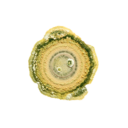
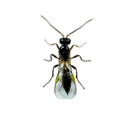
Pests Young larvae of various thrips species. Crops Do not use in tomato. Mode of action Predatory mites multiply in the sachet and disperse into the crop over a period of several weeks. They pierce t
Pests Young larvae of various thrips species and eggs and larvae of whitefly . Crops Do not use in tomato. Mode of action Predatory mites reproduce within the sachet and gradually disperse into the cr
Pests Young larvae of various thrips species. Crops Do not use in tomato. Mode of action Predatory mites pierce their prey with their sucking mouthparts and suck out the contents. Pack size 50,000 pre
Pests Young larvae of various thrips species and eggs and larvae of whitefly . Crops Do not use in tomato. Mode of action Predatory mites pierce their prey with their sucking mouthparts and suck out t
Pests Young larvae of various thrips species. Crops Do not use in tomato. Biological control of thrips - Neoseiulus cucumeris Mode of action Predatory mites pierce their prey with their sucking mouthp
Pests Larvae of various species of thrips (first and second larval stages); eggs and larvae of greenhouse whitefly ( Trialeurodes vaporariorum ) and tobacco whitefly ( Bemisia tabaci ). Crops Do not u
Pests Effective against most commonly occurring aphids . Mode of action Adult parasitic wasps emerge from the mummies and females lay their eggs into aphids . The next generation of parasitic wasps de
Pests Two-spotted spider mite ( Tetranychus urticae ) and other Tetranychus spp., except Tetranychus evansi . Mode of action Predatory mites pierce their prey with their sucking mouthparts and suck ou
Pests Two spotted spider mite ( Tetranychus urticae ); European red mite ( Panonychus ulmi ); citrus red mite ( Panonychus citri ); other spider mite species. Crops Do not use in tomato. Mode of actio
Pests Eggs, larvae and pupae of sciarid flies ; thrips pupae. Mode of action The predatory mites feed on larvae of sciarid flies , thrips pupae and other soil-dwelling insects. The mites appear in and