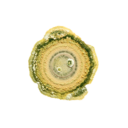
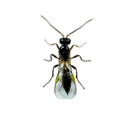
General The horse-chestnut leaf miner, Cameraria ohridella , probably originates from natural stands of the European horse-chestnut in Greece, Albania and Macedonia. It was first observed attacking or
General The cactus mealybug Atrococcus mamillariae (formerly known as Spilococcus cactearum ) is a pest of cacti and other succulents. It was first described in England but its origin is not clear. It
Overview May beetles are beetles from the Scarabaeidae family, and are plant-eating species from the Melolonthinae subfamily. Although this subfamily contains a number of species which cause damage to
General The blackcurrant aphid, Cryptomyzus galeopsidis , attacks black currant and also red current. It is widespread throughout Europe and also present in the Russian Far East and North America. Dam
Biological control of leafhoppers Leafhoppers are highly mobile, sap-sucking pests that feed on plant leaves, causing discoloration, stippling and leaf curling. Their feeding reduces photosynthesis, w
General The oak processionary moth ( Thaumetopoea processionea ), is a major pest of oak in many European countries. The common and scientific names of this moth refer to the behaviour of the larvae t
General The Pine processionary moth (Thaumetopoea pityocampa), is a major pest of pine trees around the Mediterranean Sea. It is most conspicuously damaging on pine plantations, or amenity pines. Dama
Biological control of mealybugs and scales Mealybugs and scale insects are persistent pests that feed on plant sap, weakening crops and producing honeydew that leads to sooty mould. Infestations reduc
General Mites of the family Tenuipalpidae have a worldwide distribution and can be found on many cultivated plants. Several species have been reported, especially by growers of greenhouse ornamentals
Biological control of leaf miners Leaf miners are damaging pests that tunnel through leaves, reducing photosynthesis and weakening plant growth. Their feeding patterns cause visible leaf damage, lower