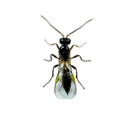
Pests Especially for cotton aphid ( Aphis gossypii) ; tobacco aphid ( Myzus persicae var. nicotianae ); peach-potato aphid ( Myzus persicae var. persicae ). Mode of action Adult parasitic wasps emerge
Pests Young larvae of various thrips species. Crops Do not use in tomato. Mode of action Predatory mites use their piercing mouthparts to extract the contents of their prey. Pack size 50,000; 100,000;
Pests Young larvae of various thrips species. Crops Do not use in tomato. Mode of action Predatory mites use their piercing mouthparts to extract the contents of their prey. Pack size 50,000 predatory
Pests Larvae of various species of thrips (first and second larval stages); eggs and larvae of greenhouse whitefly ( Trialeurodes vaporariorum ) and tobacco whitefly ( Bemisia tabaci ). Crops Do not u
Pests Whitefly . Crops Vegetables, ornamentals , nursery trees and soft fruit in protected cultivation. Mode of action After spraying Mycotal, the spores germinate and grow to hyphae that penetrate th
Attracker lures thrips from their shelter places and improves their exposure to insecticide sprays resulting in better control. Crops All crops. Mode of action Attracker is a solution of several sugar
Pests Eggs, larvae and pupae of sciarid flies ; thrips pupae. Mode of action The predatory mites feed on larvae of sciarid flies , thrips pupae and other soil-dwelling insects. The mites appear in and
Pests Various species of thrips . Crops Do not use in tomato. Mode of action The predatory bugs actively search for prey. With their piercing mouthparts, they extract the contents of their prey, leavi
Pests Leaf miners ( Lyriomyza spp.). Mode of action The adult female parasitic wasps of Dacnusa sibirica preferably lay their eggs inside first and second instars of the leaf miner larva. The parasiti
Pests All species of spider mites . Mode of action After emerging from the pupa, adult gall-midges actively search for spider mite colonies and deposit eggs next to the spider mites . Once emerged, th