mites and hot-spots, the beneficials search more effectively and as they lay their eggs earlier, the population develops more rapidly.’ A sense of calm
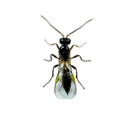
Mode of action Adult parasitic wasps emerge from the mummies and females lay their eggs into aphids . The next generation of parasitic wasps develop inside
Mode of action Adult parasitic wasps emerge from the mummies and females lay their eggs in aphids . The next generation of parasitic wasps develops inside
Mode of action Adult parasitic wasps emerge from the mummies and females lay their eggs into aphids . The next generation of parasitic wasps develops inside
often resting with their wings folded roof-like above the body. The female lays up to 2,000 eggs on the underside of the leaves of their host plant, usually
Pupa are brown to dark brown and 17-25 mm long. Females are capable of laying several hundred eggs. There are six to seven larval stages. Pupation takes
during the day. Several days after emerging from their pupae the female moths lay clusters of 20 to 100 eggs on the underside of leaves or elsewhere within
feed on plant sap and grow rapidly. When reproduction is sexual, the aphids lay eggs that overwinter. In greenhouses reproduction also takes place by par
the adults are encouraged to emerge in order to copulate and consequently lay eggs, restarting the cycle again.
into the soil at a depth up to 5 cm soon after mating. The eggs elongate at laying but in time become nearly spherical through water absorption. Chafer larvae