cosmos, nicotiana, fuchsia Hardy biennial plants or perennial plants that serve as perennial; antirrhinum, polyanthus, daisy, foxglove, various dianthus and
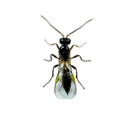
Aulacorthum solani ) The parasitic wasp Aphidius ervi is available at Koppert as Ervipar . Aphidius ervi products Ervipar Expand all items How to use Aphidius [...] very dark aphid parasitoid. The waist is entirely black, without striping. As it can develop in large aphid species they are generally much larger than
easily be taken up. Crops All crops. Mode of action Veni Calcium is applied as foliar fertiliser, bringing the calcium quickly where it is needed. The calcium [...] preparation The pH of the solution should be between 5 and 7 Application Apply as a foliar spray Ensure good crop coverage Vidi Terrum and Vidi Fortum can be
Mini-Airbug can be used for full-field distribution, specific hot spots as well as for the distribution of Artefeed and Entofood. Mode of action The innovative
sheet Application Place traps in areas with high risk of pest infestation such as areas near doors, gable ends and lateral ventilation openings Attach traps [...] adjust height when plants are growing Do not place traps in-between the plants as parasitic wasps will then also be trapped For Tuta absoluta place black traps
trap. Trapping males also aids in reducing the number of eggs laid by females as they fail to mate. For some pests, Pherodis dispensers contain lures which [...] Place the dispenser in the trap and place the trap in the right position as indicated for the particular trap Wash your hands between assembling pheromone
agents, like for instance Aphidend . Storage time after receipt Apply as soon as possible after receipt. If necessary, the product can be stored for 1-2
the main flavor ingredient in making beer. Although frequently referred to as hops “vine”, this plant is technically a bine. Bines have stout stems with
portobello. Many other mushroom varieties are also commercially available as growers and breeders search for new and unique tastes for the market.
the immediate result of larvae feeding on root hairs and tender roots as well as stem and leaf tissue and fruits. The lesions caused by feeding larvae