General The only known stage in all Alternaria species is the asexual stage. Conidia and mycelium overwinter in the soil and on crop residues and cause primary infection of the leaves. Survival can be
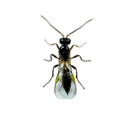
situation. Best conditions for Dacnusa sibirica Dacnusa sibirica is more effective than the parasitic wasp Miglyphus at lower temperatures (<20°C/68°F). When
General Xanthomonas fragariae is a leaf spot disease found in strawberry. Damage symptoms Xanthomonas fragariae initially causes small, water-soaked lesions on the underside of the leaf. They enlarge
General New diseases in strawberry have been ascribed to Pestalotiopsis clavispora in the case of root and crown rot (of strawberry), first found in The Netherlands, and Pestalotiopsis longisetula in
General Sclerotinia sclerotiorum, also known as cottony soft root, is a plant pathogenic fungus. It has a very wide range of host plants. Damage symptoms The first symptoms of a cottony soft root ( Sc
General Grey mould ( Botryotinia fuckeliana / Botrytis cinerea ) is a commonly found fungus in many environments. It survives in plant parts like bulbs and crop residues or as sclerotia (drought- and
General Pseudoperonospora cubensis is a plant pathogen causing downy mildew on cucurbit crops like cucumber, cantaloupe, pumpkin, watermelon and squash. Damage symptoms Downy mildew pathogens infect m
uses the predatory soil mite Stratiolaelaps scimitus . Investigating the effect of spraying Every week, Floricultura examines the action of the nematodes
General Venturia inaequalis is an ascomycete fungus that causes apple scab disease Damage symptoms Venturia inaequalis causes apple scab disease, which at first presents itself as lesions on blossoms,
General Rhizobium bacteria are soil bacteria that fix nitrogen after becoming established inside root nodules of legumes. Additionally, pathogenic Agrobacterium s pecies have recently been assigned to