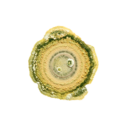
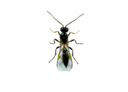
Pests Young larvae of various thrips species. Crops Do not use in tomato. Mode of action Predatory mites pierce their prey with their sucking mouthparts
Pests Young larvae of various thrips species and eggs and larvae of whitefly . Crops Do not use in tomato. Mode of action Predatory mites pierce their
belong to the Curculionidae family, which is made up of more than 40,000 species. They have very hard bodies and are small in size. They prefer crops from
mines, making it an unreliable criterion for the identification of the species. Indirect damage arises when disease causing fungi or bacteria enter the
thrips (Frankliniella occidentalis) is currently the most damaging thrips species in many greenhouse crops. The western flower thrips (Frankliniella occidentalis)
tropical and subtropical America, probably Brazil or Mexico. Hundreds of plant species from different families serve as suitable hosts for this whitefly. It occurs
crane flies (Tipulidae), owlet moths/cutworms (Noctuidae) and various other species. Mode of action The nematodes enter the pest and release symbiotic bacteria [...] Optimum application period Timing Timing and frequency depend on the pest species and the crop environment (relative humidity and temperature). Consult a
Pests Young larvae of various thrips species, eggs and larvae of whitefly . Also has an effect on all stages of non-webbing spider mites (e.g. European
products for aphids (parasitic wasps) often tackle only one specific aphid species, while Chrysopa-E eats all types of aphids, mealybugs and Echinothrips,
Macrocheles robustulus is a species of predatory mite known for its role in biological pest control , particularly in agricultural and horticultural settings