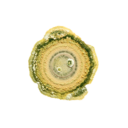
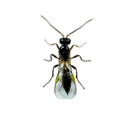
General The black tea thrips , Heliothrips haemorrhoidalis , is widely distributed in the tropics and subtropics; it also occurs in greenhouses of temperate areas, is highly polyphagous, and has been
Biological control of thrips Thrips are among the most challenging pests in greenhouse and field crops. Their feeding and virus transmission cause leaf deformation, silvering and fruit damage, leading
Pests Larvae of various species of thrips (first and second larval stages); eggs and larvae of greenhouse whitefly ( Trialeurodes vaporariorum ) and tobacco whitefly ( Bemisia tabaci ). Crops Do not u
“The Airobreez has transformed our approach to biological crop protection ," says Tim from Labeau in the Netherlands. "Our greenhouse layout and equipment make using larger application devices for bio
Natutec: empowering nature with technology! The Natutec product portfolio offers a broad range of application devices for the dispersal of beneficial organisms over crops. Each Natutec solution is spe
Orius laevigatus for thrips control Orius laevigatus is a small yet highly effective predatory bug used in biological pest control of thrips . This beneficial insect has been extensively integrated in
Macrolophus pygmaeus for pest control Macrolophus pygmaeus is a key predatory bug for biological pest control of whitefly , Tuta absoluta and spide mites. This beneficial insect has been widely employ
Aphid control with the parasitic wasp Ephedrus cerasicola Ephedrus cerasicola is a parasitic wasp that belongs to the family Braconidae and subfamily Aphidiinae. This natural enemy is used for the con
Aphid control with the parasitic wasp Praon volucre Praon volucre is a parasitic wasp that belongs to the family Braconidae and to the subfamily Aphidiinae . Praon volucre is one of the most abundant