all different developmental stages can be found together. When shaking infested plants, adults will first fly, then return to the underside of the leaves
non-balanced nutrition, the influence of viruses, plant diseases, pest infestations, insufficient or extreme growth, extreme climate conditions and the influence
reproduce in large numbers. The pest insect stops feeding soon after being infested, and dies within a few days. The nematodes that emerge then start their [...] beneficial nematodes like Capirel, is key to controlling bean seed fly infestations and minimizing crop damage. The beneficial nematodes proved to be effective
behaviour. Ladybirds use their keen sense of smell to locate areas with aphid infestations. Once they find aphids, ladybirds use their specialised mouthparts to
instance, growers might release predatory mites to control spider mite infestations in a greenhouse. Augmentative biological control can provide rapid results
control is achieved. At higher temperatures (>25°C/77°F) and/or higher infestation rates it might be better to use Miglyphus . Consult a Koppert advisor
found in glasshouses. The mites may be concentrated around the buds, or infest the entire plant, resulting in severely stunted plants, with crinkled leaves
the high side. It is better to use a little too much than not enough; infestations must always be prevented as much as possible. We certainly don’t skimp
In response to the growing challenges posed by aphid infestations, Koppert are pleased to introduce two new products to its aphid control product portfolio:
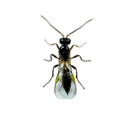
wasp’s feeding rate and efficacy can vary with the density of leafminer infestations, allowing it to adapt to changing pest pressures. Adult Diglyphus isaea