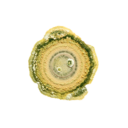
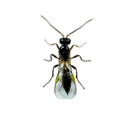
General Shore flies ( Scatella tenuicosta ) occur very commonly, often in the vicinity of water. They feed on algae. Other shore fly species have diverse feeding habits but the larvae of most species
General The broad mite (Polyphagotarsonemus latus) occurs in the tropics and in greenhouses in temperate regions. The broad mite (Polyphagotarsonemus latus) has a wide range of host plants, especially
General The cabbage moth (Mamestra brassicae) is a highly polyphagous defoliator. Besides being a major cabbage pest, it feeds on 70 plants of 22 families, among them crops such as sweet pepper, tomat
General The garden chafer ( Phyllopertha horticola ) is a beetle from the Scarabaeidae family. It does most of its damage in the larval stage when it feeds on roots of grasses and clover. The adults f
General The obscure mealy bug ( Pseudococcus viburni ) (formerly known as Pseudococcus affinis) originates from South America, but can now be found in many parts of the world with a temperate climate.
General The cactus mealybug Atrococcus mamillariae (formerly known as Spilococcus cactearum ) is a pest of cacti and other succulents. It was first described in England but its origin is not clear. It
General The American serpentine leaf miner ( Liriomyza trifolii ) originates from North America, but occurs also in Europe since about 1976. The American serpentine leaf miner ( Liriomyza trifolii ) i
Biological control of beetles Beetles can cause serious damage in many greenhouse and field crops by feeding on leaves, roots, or fruits, leading to reduced growth and yield loss. Effective beetle con
General The oleander aphid, Aphis nerii , sometimes also called the milkweed aphid, is a common pest of several important ornamental plants in the families Apocynaceae and Asclepiadaceae. It is common
Biological control of leaf miners Leaf miners are damaging pests that tunnel through leaves, reducing photosynthesis and weakening plant growth. Their feeding patterns cause visible leaf damage, lower