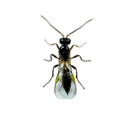
assumes whenever it is disturbed. The body is covered with stiff white to light brown, bent hairs. Overwintering occurs in the larval stage, usually as medium
box and place it on the rock wool in the basket Place the basket in direct light, preferably in a spot where it can remain for 10-12 weeks Fit a dripper to
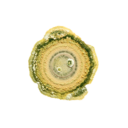
eggs, larvae, and first nymphal instars are white, with nymphs becoming light brown as they age. The eggs are white, oval, and approximately 0.3 mm in
active on cloudy, foggy, and rainy days. Honeybees are less active at low light levels Bumblebees work earlier in the morning and later into the evening
valuable work even in unfavorable weather conditions, low temperatures and low light intensities. Bumblebees visit up to two times more flowers and transfer up
eggs beneath the larvae. The egg initially appears transparent, turning light brown after two to three days, and hatches when the whitefly reaches its
a strong photokinetic response, i.e. the female is strongly attracted to light and is inactive in darkness.
resemble small, elongated ovals. They can vary in color from pale yellow to light brown depending on environmental conditions. Pupae are often found attached
and above 35°C/95°F can be lethal Nematodes are susceptible to ultraviolet light (UV): do not use them in direct sunlight The moisture content of the soil