Pests Young larvae of various thrips species and eggs and larvae of whitefly . Crops Do not use in tomato. Mode of action Predatory mites pierce their prey with their sucking mouthparts and suck out t
Pests Young larvae of various thrips species. Crops Do not use in tomato. Biological control of thrips - Neoseiulus cucumeris Mode of action Predatory mites pierce their prey with their sucking mouthp
Pests Larvae of various species of thrips (first and second larval stages); eggs and larvae of greenhouse whitefly ( Trialeurodes vaporariorum ) and tobacco whitefly ( Bemisia tabaci ). Crops Do not u
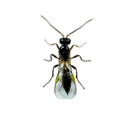
Pests Effective against most commonly occurring aphids . Mode of action Adult parasitic wasps emerge from the mummies and females lay their eggs into aphids . The next generation of parasitic wasps de
Pests Two-spotted spider mite ( Tetranychus urticae ) and other Tetranychus spp., except Tetranychus evansi . Mode of action Predatory mites pierce their prey with their sucking mouthparts and suck ou
Pests Two spotted spider mite ( Tetranychus urticae ); European red mite ( Panonychus ulmi ); citrus red mite ( Panonychus citri ); other spider mite species. Crops Do not use in tomato. Mode of actio
Pests Eggs, larvae and pupae of sciarid flies ; thrips pupae. Mode of action The predatory mites feed on larvae of sciarid flies , thrips pupae and other soil-dwelling insects. The mites appear in and
Pests Greenhouse whitefly ( Trialeurodes vaporariorum ), tobacco whitefly ( Bemisia tabaci ), eggs and caterpillars of tomato leaf miner moth ( Tuta absoluta ) and other moths. Also feeds on two spott
Pests Eggs, larvae and pupae of sciarid flies ; thrips pupae, Lyprauta larvae. Mode of action The predatory mites feed on larvae of sciarid flies , thrips pupae and other soil-dwelling insects. The mi