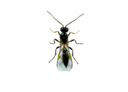
days, this stage is fully complete and it becomes an adult. On average, the cycle takes 21 days.
spider mites, false spider mites ( Tenuipalpidae ) do not produce webs. Life cycle and appearance of False spider mites Most false spider mites ( Tenuipalpidae
fungal diseases to enter, leading to rotting fruit before or after harvest. Life cycle and appearance of Tomato leafminer The female moth of the tomato leaf
flower buds, flowers and young seed pods, causing loss of pods and seeds. Life cycle and appearance of Diamond back moth The oval and flattened eggs of the
generation of larvae often causes greater loss of fruit than the first. Life cycle and appearance of Tomato moth The forewings of adult tomato moths (Lacanobia
heart of cabbage, thereby lowering the commercial value of infested crops. Life cycle and appearance of Cabbage moth The adult cabbage moth (Mamestra brassicae)
spoil the plant with the large quantities of frass they leave behind. Life cycle of caterpillars Caterpillar control videos Take a look at the video or [...] caterpillars combines monitoring and control strategies that target different life stages of the pest: Beneficial nematodes Pheromone traps Sticky traps Pheromone
inflicted to strawberries and other crops grown outdoors is less serious. Life cycle and appearance of Carnation tortrix Male carnation leafrollers are good
skeletonized leaves, accumulation of frass and destruction of growing points. Life cycle and appearance of Silver-Y moth The forewings of the silver-Y moth (
by feeding on fruits, flower buds and leaves depending on the species. Life cycle of beetles Beetle control videos Take a look at the video or go to our