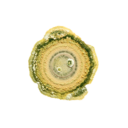
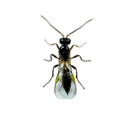
excrements (meconium) on the leaves is an indicator of hoverfly larvae activity. Pack size 100 pupae Presentation 3.5 x 3.5 x 3.5 cm cardboard box Carrier
excrements (meconium) on the leaves is an indicator of hoverfly larvae activity. Pack size 50 pupae. Presentation 3.5 x 3.5 x 3.5 cm cardboard box. Carrier
tomato (can cause damage to other plants). Mode of action The predatory bugs actively search for prey. With their piercing mouthparts, they extract the contents
about whether and when to apply insecticides. Work in 2021 showed that the activity period of midges was longer than normally expected, midges flying for up [...] 4 traps along the field edge from mid-June onwards. Midges are normally active for a period of six weeks. Research & Development Will Continue PGRO, Pherosyn
pollinated optimally by the honeybees present at the time. ‘Bumblebees are more active than honeybees at lower temperatures, and we have found that a combination
cactus mealybug are yellow-brown and not yet covered with wax. They are actively mobile and known as ‘crawlers’. From the second instar on, they are covered
out, shrivelled skins are difficult to find. Chrysoperla carnea larvae are active mainly during the night. The larvae hide during the day. Pack size 100,000
soil. These spores, known as conidia, are spread by wind, water, or human activity to susceptible plant tissues. Upon encountering favorable conditions, such
What is biological seed treatment? Biological seed treatment consists of active ingredients that can include microbes like fungi and bacteria, as well as
sucked out, shrivelled skins are difficult to find. Chrysoperla carnea is active mainly during the night. The larvae hide during the day. Pack size 1,000;