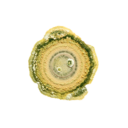
Cerall is a biological seed treatment that protects seeds against fungal diseases, hence supports growth and development of young cereal plants up to the five-leaf stage. Suitable for organic and conv
Trianum-G protects plants against a range of soil-borne root diseases through several different modes of action. It also improves root system development, nutrient uptake and plant growth. Diseases Tr
Use the Deltatrap for monitoring and trapping male moths and mealybugs in protected and outdoor crops in combination with a species-specific pheromone. Pests Moths and mealybugs . Crops Protected and
Pests Two-spotted spider mite ( Tetranychus urticae ) and other Tetranychus spp., except Tetranychus evansi . Mode of action Predatory mites use their piercing mouthparts to extract the conten
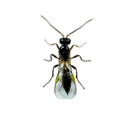
Pests Especially for cotton aphid ( Aphis gossypii) ; tobacco aphid ( Myzus persicae var. nicotianae ); peach-potato aphid ( Myzus persicae var. persicae ). Mode of action Adult parasitic wasps emerge
Pests Whitefly . Crops Vegetables, ornamentals , nursery trees and soft fruit in protected cultivation. Mode of action After spraying Mycotal, the spores germinate and grow to hyphae that penetrate th
Pests Larvae of various species of thrips (first and second larval stages); eggs and larvae of greenhouse whitefly ( Trialeurodes vaporariorum ) and tobacco whitefly ( Bemisia tabaci ). Crops Do not u
Pests Two-spotted spider mite ( Tetranychus urticae ); european red mite ( Panonychus ulmi ); citrus red mite ( Panonychus citri ); other spider mite species. Crops Do not use in tomato. Mode of actio
Trianum-P protects plants against a range of soil-borne root diseases through several different modes of action. It also improves root system development, nutrient uptake and plant growth. Diseases Tr