by visually scouting the plants. Finally, introducing biological control agents such as predatory mites can be an effective preventative measure, as these
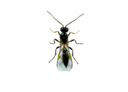
family Braconidae . This insect is known for its role as a biological control agent, particularly in the control of leaf miners of the genus Liriomyza . The
indoor settings. While outdoor pollination is often facilitated by natural agents like wind and insects, artificially lit crops necessitate careful consideration
Hymenoptera . It is widely recognized for its role as a biological control agent for leaf miner control. Its ability to effectively target and suppress these
Improves the effect of Mycotal and entomopathogenic nematodes. Crops Do not use on kalanchoe plants. Mode of action Addit improves the spread of plant protection products onto the plant surface. When
pest control in agriculture. The predatory mite is an excellent biocontrol agent of thrips and whiteflies. Amblyseius swirskii can also survive on pollen
Pests Two spotted spider mite ( Tetranychus urticae ); European red mite ( Panonychus ulmi ); citrus red mite ( Panonychus citri ); other spider mite species. Crops Do not use in tomato. Mode of actio
whitefly , non-webbing spider mites and rust mites. Employed as a biocontrol agent, Amblyseius andersoni contributes significantly to sustainable farming practices
such as strawberries. This predatory mite was the first biological control agent used commercially in greenhouses and Koppert’s very first product in 1967
or beneficial nematodes, are microscopic roundworms that serve as natural agents for biological pest control . Beneficial nematodes are highly specific in