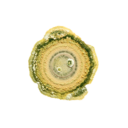
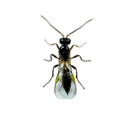
General The carnation tortrix ( Cacoecimorpha pronubana ) is a Mediterranean species belonging to the family of Tortricidae . It occurs in the Middle East, North Africa, the USA, Europe, including Mal
General Since the start of its invasion in 2008/2009, the spotted wing drosophila, which is originally from Asia, has spread extensively in North and South America and Europe where it has caused sever
General The cabbage leafroller (Clepsis spectrana) is native to North-West Europe. It is a highly polyphagous species causing damage to field grown cabbage, apple, pear as well as maple, popular, spru
General The western flower thrips (Frankliniella occidentalis) is currently the most damaging thrips species in many greenhouse crops. The western flower thrips (Frankliniella occidentalis) can be fou
General The tomato moth (Lacanobia oleracea) is a particularly a pest in greenhouses but can also inflict damage on outdoor crops. It is a polyphagous species feeding on plants of 14 families includin
substances. Plant Health Products Embracing a systems approach for sustainable agriculture Recognizing the negative impacts of food production, growers are tra
than honeybees Production of bumblebees The natural life cycle of the bumblebee is copied under laboratory conditions at our production facilities. In
General The horse-chestnut leaf miner, Cameraria ohridella , probably originates from natural stands of the European horse-chestnut in Greece, Albania and Macedonia. It was first observed attacking or
General These three species of Diaspi s are very similar in their appearance and damage symptoms. Here, the Boisduval scale is described in more detail, as it is the most important one. The Boisduval
General The larvae of crane flies , called leatherjackets, live in the soil and feed on roots and shoots (which they pull into the ground of mainly grasses and cereal crops. The adults do not cause an