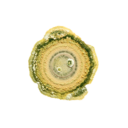
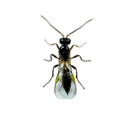
General The pear psylla, Cacopsylla pyri , is a widely distributed pest of pear in central Europe and can inflict serious damage in pear orchards. Damage symptoms Pear psylla feeding leads to growth i
General Since the start of its invasion in 2008/2009, the spotted wing drosophila, which is originally from Asia, has spread extensively in North and South America and Europe where it has caused sever
General The horse-chestnut leaf miner, Cameraria ohridella , probably originates from natural stands of the European horse-chestnut in Greece, Albania and Macedonia. It was first observed attacking or
General As the name implies, the European red mite, Panonychus ulmi , is mainly a pest of fruit trees (apple, pear, plum and cherry). However, it can attack a large scale of other woody plants and is
General These three species of Diaspi s are very similar in their appearance and damage symptoms. Here, the Boisduval scale is described in more detail, as it is the most important one. The Boisduval
General The larvae of crane flies , called leatherjackets, live in the soil and feed on roots and shoots (which they pull into the ground of mainly grasses and cereal crops. The adults do not cause an
General The potato aphid ( Macrosiphum euphorbiae ) is of North American origin, but is these days distributed throughout the world. It is a highly polyphagous species with a preference for Solanaceae
General The woolly aphid, Eriosoma lanigerum , is a serious worldwide apple pest. It is probably of North American origin and has been distributed to other parts of the world mainly via infested apple
General Larvae of the flies Lyprauta cambria, Proceroplatus trinidadensis and Lyprauta chacoensis (family Keroplatidae) have been associated with root damage in potted orchids, especially in greenhous
General The yellow rose aphid , Rhodobium porosum , is probably of North American origin but is now widely distributed in Europe, North Africa, parts of Asia and South America. It attacks plants of th