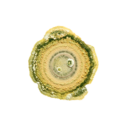
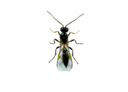
Biological control of whitefly Whiteflies are common pests in greenhouse and field crops, feeding on plant sap and transmitting harmful viruses. Their feeding weakens plants, causes leaf yellowing and
Biological control of mealybugs and scales Mealybugs and scale insects are persistent pests that feed on plant sap, weakening crops and producing honeydew that leads to sooty mould. Infestations reduc
Biological control of spider mites and other mites Spider mites and other mite species can rapidly infest greenhouse and field crops, feeding on plant cells and causing leaf discoloration, reduced pho
What are two-spotted spider mites? Two-spotted spider mite ( Tetranychus urticae ) is a pest of many crops throughout the world. Despite their small size, they are capable of very rapidly doing severe
General Mites of the family Tenuipalpidae have a worldwide distribution and can be found on many cultivated plants. Several species have been reported, especially by growers of greenhouse ornamentals
Biological control of leaf miners Leaf miners are damaging pests that tunnel through leaves, reducing photosynthesis and weakening plant growth. Their feeding patterns cause visible leaf damage, lower
Biological control of caterpillars Caterpillars are highly destructive pests that feed on leaves, stems and fruits, causing serious damage to greenhouse and field crops. Their feeding reduces photosyn
Biological control of beetles Beetles can cause serious damage in many greenhouse and field crops by feeding on leaves, roots, or fruits, leading to reduced growth and yield loss. Effective beetle con
General The black bean aphid, Aphis fabae , is widespread in temperate regions, where it is a serious economic pest of beans. It is highly polyphagous, and attacks a wide range of other crops. Damage
General The black vine weevil, Otiorhynchus sulcatus, is a pest in many ornamental crops (e.g. rhododendron, cyclamen and azalea), as well as in strawberries and other fruit crops in both temperate an