The spores are dispersed upwards to the ears by splashing rain drops or wind. On the infected ears, the typical pink spores are produced which may further
n on above-ground plant parts, leaf wetness is required. Dispersal is by wind and rain causes the pathogen to be returned to the soil from infected plants
infected plant debris or soil. These spores, known as conidia, are spread by wind, water, or human activity to susceptible plant tissues. Upon encountering
in and around the area to be pollinated. Protect the hive against strong winds. Position the hive in a sheltered spot, or weigh down the hive. Position
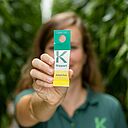
Hang the cylinder horizontally from a crop wire, branch, or leaf stalk by winding the label around it and sticking the end of the label back onto the label
yellowish brown with dark spots. After emerging, they move or are carried by wind to the young growing points or flowers where they spin silk around terminal
important. The soil must be damp, bright sun must be avoided, as well as a lot of wind otherwise the product dries up too quickly. So, spraying late in the afternoon
spreader's exit hole should be as close to the soil as possible to prevent wind blowing away the small granules. Make sure that the Trianum-G granules flow