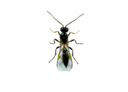
chemical pesticides. Encarsia formosa is used for the control of the following pests: Greenhouse whitefly ( Trialeurodes vaporariorum ) Tobacco whitefly ( Bemisia [...] density of the whitefly population, making it a valuable tool in integrated pest management . The wasps themselves do not feed on whiteflies but rely on nectar
enormous variety of form, size and habit. A number of species are a serious pest in crops or stored products. There are many useful beetles as well. For instance
fabae , is widespread in temperate regions, where it is a serious economic pest of beans. It is highly polyphagous, and attacks a wide range of other crops
As the name implies, the European red mite, Panonychus ulmi , is mainly a pest of fruit trees (apple, pear, plum and cherry). However, it can attack a large
mealybug Atrococcus mamillariae (formerly known as Spilococcus cactearum ) is a pest of cacti and other succulents. It was first described in England but its
hop farm. These natural enemies contribute to more balanced and targeted pest management, with a specific focus on addressing issues like the red spider
the decision to acquire the Natutec Drive tool to disperse its biological pest control products. ‘It was a brilliant move,’ says Glasshouse Manager Angel
weevil in combination with species-specific pheromone and/or kairomone. Pests Red palm weevil ( Rhynchophorus ferrugineus ). Crops Date palms and ornamental
the blastospores germinate quickly and grow into hyphae that penetrate the pest body cavity. Once inside, the insect is killed via different modes of action: [...] outside of the dead body, which may spread the infection to other vulnerable pests. Mycotal is safe for beneficial insects, mites and pollinators and leaves [...] insect and start to germinate External sporulation may spread to other pests Growing hyphal threads of the fungus Effective results Efficacy of Mycotal
Pests All species/stages of aphids . Mode of action Adult hoverflies emerge from the pupae and deposit their eggs in the aphid colonies. The young larvae