are able to complement each other's pollination work and can therefore be released into the same crops. Position a bumblebee hive at least 100 metres away
detected in the crop. Introduction rates typically range from 100-500 per m2/release. Consult a Koppert advisor or a recognized distributor of Koppert products
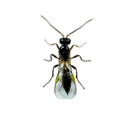
unit every 250-350 m 2 . The parasitic wasps will emerge within 2 weeks. Releases should be repeated when aphids are still present. If the aphid species
introduced, the nematodes actively seek out and penetrate the larvae, releasing bacteria that quickly kill them. This biological control approach is e
at least 4,000 sachets per ha and hang them evenly spaced in the crop. Release should be repeated after 4 weeks if the pest is not controlled. Consult
hairs and promote the uptake of nutrients from the rhizosphere and the release of exudates that support the rhizosphere microbiology. Visual effect Longer
insect's cuticle and invading the body cavity. Once inside, the fungus releases enzymes that break down the insect's internal organs, leading to its death
natural enemies such as predatory mites , ladybugs, and parasitic wasps are released to combat harmful insects, in the same way as they do in the wild. Koppert