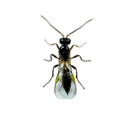
unit every 250-350 m 2 . The parasitic wasps will emerge within 2 weeks. Releases should be repeated when aphids are still present. If the aphid species
hairs contain an allergenic protein, thaumetopoein; which can be actively released in the air when the larvae are disturbed. After moulting, the previous
develop their eggs. As a result they immediately can start laying eggs after release and don’t needs to get energy from spider mite from the field to develop
are able to complement each other's pollination work and can therefore be released into the same crops. Position a bumblebee hive at least 100 metres away
detected in the crop. Introduction rates typically range from 100-500 per m2/release. Consult a Koppert advisor or a recognized distributor of Koppert products
host insect, they penetrate its natural body openings. The nematodes then release pathogenic bacteria they carry with them. These actions kill and liquify
at least 4,000 sachets per ha and hang them evenly spaced in the crop. Release should be repeated after 4 weeks if the pest is not controlled. Consult
insect's cuticle and invading the body cavity. Once inside, the fungus releases enzymes that break down the insect's internal organs, leading to its death
interaction of temperature, moisture and the existing microbial population, and release the minerals into the surrounding soil. It is this gradual decomposition