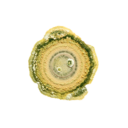
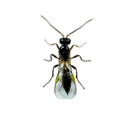
General As the name implies, the European red mite, Panonychus ulmi , is mainly a pest of fruit trees (apple, pear, plum and cherry). However, it can attack a large scale of other woody plants and is
Biological control of leafhoppers Leafhoppers are highly mobile, sap-sucking pests that feed on plant leaves, causing discoloration, stippling and leaf curling. Their feeding reduces photosynthesis, w
General The pear psylla, Cacopsylla pyri , is a widely distributed pest of pear in central Europe and can inflict serious damage in pear orchards. Damage symptoms Pear psylla feeding leads to growth i
General The hemispherical or helmet scale, Saissetia coffeae , occurs widely in tropical regions and in greenhouses throughout the world. It is a severe pest in coffee and citrus. Many ornamental crop
General The codling moth ( Cydia pomonella ) is a notorious, worldwide pest of apple and also occasionally of pear, quince, peach and other fruits. It is very common in Europe. Damage symptoms After i
General The brown soft scale Coccus hesperidum is very common in tropical and sub-tropical regions and is also a common pest in greenhouses throughout the world. C. hesperidum has many host plants, in
General The larvae of crane flies , called leatherjackets, live in the soil and feed on roots and shoots (which they pull into the ground of mainly grasses and cereal crops. The adults do not cause an
General The circular scale, Chrysomphalus aonidum is a tropical species, native to the Oriental region but it has been dispersed widely in tropical and subtropical parts of the world, mostly in associ
General The horse-chestnut leaf miner, Cameraria ohridella , probably originates from natural stands of the European horse-chestnut in Greece, Albania and Macedonia. It was first observed attacking or
General Aspidiotus nerii , the oleander scale or white scale belongs to the Coccoidea and has an almost worldwide distribution. Host plants include olive, apple, mango, palms, oleander and citrus. Dam