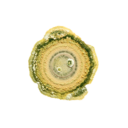
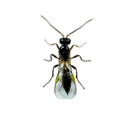
General The diamond back moth (Plutella xylostella) belongs to the family of Plutellidae . It only attacks Brassicaceae species, including cruciferous weeds. The diamond back moth (Plutella xylostella
General The oak processionary moth ( Thaumetopoea processionea ), is a major pest of oak in many European countries. The common and scientific names of this moth refer to the behaviour of the larvae t
General Shore flies ( Scatella tenuicosta ) occur very commonly, often in the vicinity of water. They feed on algae. Other shore fly species have diverse feeding habits but the larvae of most species
General The broad mite (Polyphagotarsonemus latus) occurs in the tropics and in greenhouses in temperate regions. The broad mite (Polyphagotarsonemus latus) has a wide range of host plants, especially
General The black vine weevil, Otiorhynchus sulcatus, is a pest in many ornamental crops (e.g. rhododendron, cyclamen and azalea), as well as in strawberries and other fruit crops in both temperate an
General The cabbage moth (Mamestra brassicae) is a highly polyphagous defoliator. Besides being a major cabbage pest, it feeds on 70 plants of 22 families, among them crops such as sweet pepper, tomat
General The garden chafer ( Phyllopertha horticola ) is a beetle from the Scarabaeidae family. It does most of its damage in the larval stage when it feeds on roots of grasses and clover. The adults f
General The black bean aphid, Aphis fabae , is widespread in temperate regions, where it is a serious economic pest of beans. It is highly polyphagous, and attacks a wide range of other crops. Damage
General The obscure mealy bug ( Pseudococcus viburni ) (formerly known as Pseudococcus affinis) originates from South America, but can now be found in many parts of the world with a temperate climate.
General The cactus mealybug Atrococcus mamillariae (formerly known as Spilococcus cactearum ) is a pest of cacti and other succulents. It was first described in England but its origin is not clear. It