Use Horiver Drystick for trapping and monitoring different flying insects. The traps work particularly well for bugs such as Lygus spp. and Nesidiocoris
Use Horiver Wetstick for trapping and monitoring of different flying insects. Pests Yellow: whitefly , thrips , fungus gnats, leaf miners Blue: thrips
beneath the wing covers. Many species are very capable fliers but others cannot fly at all. Beetle damage Both larvae and adults of beetles can cause damage to
ferrugineus ); South American palm weevil (Rhynchophorus palmarum ) Crane flies / leatherjackets (Tipulidae): Tipula spp. Bugs (Heteroptera): Sycamore lace [...] inert biodegradable carrier. Downloads FAQ nematodes Trial results Onion fly and Fusarium wilt trial results wireworm control Preparation Remove the sachets
and darker grey markings and a wingspan of ca. 30 mm. The adults emerge and fly between the end of July and mid September. The eggs (with up to 300 eggs per
grey-brown with white spots, and the abdomen is a pale, greyish brown. The moth flies only at dawn and dusk, hiding in the crop during the day. Several days after
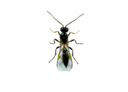
elongated form, and their black colour. Adult wasps prefer to walk rather than fly, and will jump if irritated.
horizontally over the body. The antennae are thin and of medium length. The moths fly when it is dark. The yellow eggs are laid in batches of 10 to 90 pieces and
good fliers and are active diurnally, unlike most leafrollers, which mainly fly at dusk and after dark. The females have a limited flight capacity and only
they deposit their eggs. When shaking infested plants, adults will first fly, then return to the underside of the leaves. The adult greenhouse whitefly