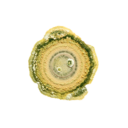
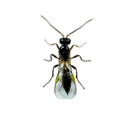
The egg is 0.08 mm long and 0.03 mm wide. About halfway through the parasitoid’s development, the host pupa turns black. Parasitized pupae are thus easily
Behaviour of the parasitic wasp Diglyphus isaea Diglyphus isaea is a parasitoid wasp renowned for its role in controlling leafminer pests, particularly
aphids and a ladybird species from which the larvae take longer than the parasitoids to establish in the crop, but can be good addition to the system. At the
adaptability, and ability to establish long-term presence in crops. Unlike parasitoids, predatory mites can remain active throughout the season, even under
pest control Biological control involves the use of natural predators, parasitoids, or pathogens to manage pest populations and the usage of beneficial microbes
Biological control of aphids Aphids are among the most harmful pests in greenhouse and field crops, causing plant stress, virus transmission and yield loss. Effective aphid control is essential for ma
Integrated Pest Management (IPM) in cucumber crops Integrated pest management ( IPM ) is of importance in cucumber cultivation, to ensure the health and productivity of cucumber crops. Cucumbers are e
Integrated pest management in strawberry Integrated pest management (IPM) plays a crucial role in ensuring the health and productivity of strawberry crops due to the presence of various pests and dise
Integrated Pest Management (IPM) in tomato crops Integrated Pest Management (IPM) is of importance in tomato cultivation. Tomatoes are exceptionally susceptible to a range of formidable pests, includi
Aphid control with the parasitic wasp Ephedrus cerasicola Ephedrus cerasicola is a parasitic wasp that belongs to the family Braconidae and subfamily Aphidiinae. This natural enemy is used for the con