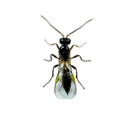
General The tomato moth (Lacanobia oleracea) is a particularly a pest in greenhouses but can also inflict damage on outdoor crops. It is a polyphagous species feeding on plants of 14 families includin
General The woolly aphid, Eriosoma lanigerum , is a serious worldwide apple pest. It is probably of North American origin and has been distributed to other parts of the world mainly via infested apple
General The yellow rose aphid , Rhodobium porosum , is probably of North American origin but is now widely distributed in Europe, North Africa, parts of Asia and South America. It attacks plants of th
General The diamond back moth (Plutella xylostella) belongs to the family of Plutellidae . It only attacks Brassicaceae species, including cruciferous weeds. The diamond back moth (Plutella xylostella
With a global pandemic that controls our lives and the changing climate, the resilience of crops has become a crucial factor in our struggle to produce
Overview May beetles are beetles from the Scarabaeidae family, and are plant-eating species from the Melolonthinae subfamily. Although this subfamily contains a number of species which cause damage to
General The blackcurrant aphid, Cryptomyzus galeopsidis , attacks black currant and also red current. It is widespread throughout Europe and also present in the Russian Far East and North America. Dam
General Acyrthosiphon malvae rogersii is a pest of strawberry that is widely distributed in northern and western Europe. Damage symptoms Wingless aphids may form large colonies on young strawberry fol
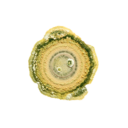
General The circular scale, Chrysomphalus aonidum is a tropical species, native to the Oriental region but it has been dispersed widely in tropical and subtropical parts of the world, mostly in associ
General The common asparagus beetle ( Crioceris asparagi ) is a major, host-specific pest of asparagus in most asparagus producing regions of the world. Damage symptoms Both adults and larvae feed on