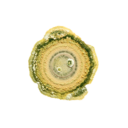
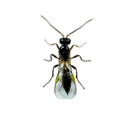
Transeius montdorensis is a species of predatory mite utilized in biological pest control . These predatory mites are known for their effectiveness in controlling pest populations, including thrips ,
The predatory mite Neoseiulus californicus (previously Amblyseius californicus) is commonly used for biological pest control of spider mites . Although Neoseiulus californicus prefers spider mites it
The predatory mite Neoseiulus cucumeris (also called Amblyseius cucumeris ) is widely used for the biological control of thrips in greenhouse crops. These predatory mites feed mostly on first instar t
The predatory mite Phytoseiulus persimilis is by far the most important natural enemy of Two-spotted spider mite (Tetranychus urticae) and has been used in many crops worldwide, mainly in greenhouses,
Amblyseius swirskii is a species of predatory mite widely employed for biological pest control in agriculture. The predatory mite is an excellent biocontrol agent of thrips and whiteflies. Amblyseius
Amblydromalus limonicus is a species of predatory mite known for its role in biological pest control . Amblydromalus limonicus is a natural enemy of various pests like thrips and whitefly . These pred
Spidex Vital Plus Scientific name: Phytoseiulus persimilis Beneficial organism: Predatory mites Type: Natural enemy Use for: Use for: Spider mites Get in touch with us Find a Koppert dealer For the co
Pollination plays a pivotal role in the formation of fruits and seeds. In the context of open field crop cultivation, effective pollination is key to bountiful harvests and sustainable agriculture. In
Greenhouse pollination is vital because it ensures the efficient fertilization of plants within a controlled environment, leading to increased crop yields, improved fruit set, enhanced size, better co
Koppert bumblebees ensure natural pollination in both indoor and outdoor crops. We will delve into the key principles of outdoor crop pollination and explore practical advice to maximize pollination r