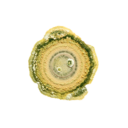
General Pseudoperonospora cubensis is a plant pathogen causing downy mildew on cucurbit crops like cucumber, cantaloupe, pumpkin, watermelon and squash. Damage symptoms Downy mildew pathogens infect m
reflects 90% of UV-light. When snow covers the greenhouse, it acts as an effective UV filter, affecting pollination . Monitor pollination and consider introducing
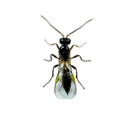
leading to a reduction in the rate of photosynthesis. Collectively, these effects can have a negative impact on strawberry plant quality and crop yields. [...] the host Mode of action: Female parasitic wasps prey on the aphids Visible effect: Parasitized aphids swell up and solidify into a leathery black, grey or
for a couple of hours has a negligible effect on pollination. However, a full day above 30° C has an immediate effect on pollination. If the temperature reaches [...] reaches 40° C for one hour, there is also an immediate effect. For a high 24-hour temperature to affect pollination takes at least one to two weeks. Similarly [...] the vine, an average 24-hour temperature of more than 21° C has adverse effects on the setting. Cherry and snack tomatoes suffer at temperatures above 23°
provide effective and innovative plant protection for modern agriculture are a vital tool in the EU’s work to support farmers and effectively implement
General Rhizobium bacteria are soil bacteria that fix nitrogen after becoming established inside root nodules of legumes. Additionally, pathogenic Agrobacterium s pecies have recently been assigned to
This leads to a stronger and more uniform crop and better yields. This effect is stronger when the plant is under stress and/or cultivated under less
immune response in pests enabling them to adapt, nematodes remain highly effective over time. Free of concerns about the diminishing performance of conventional [...] Has Been The Number One Product Against Vine Weevil For Over 25 years Effective Wireworm Control In Potato Crops With Beneficial Nematodes Tree specialist
General Ralstonia solanacearum is a plant pathogenic bacterium. It is a soil-borne disease and colonises the xylem, causing bacterial wilt and brown rot in a very wide range of potential host plants.
Doekes, G., Skov, P. S., Kjærstad, M. B., & Sigsgaard, T. (2007). Health effects of predatory beneficial mites and wasps in greenhouses . Danish Environmental