Adalia bipunctata for aphid control Adalia bipunctata , commonly known as the two-spot ladybird or the two-spotted ladybug, is a species of a predatory beetle. As a natural enemy of aphids , Adalia bi
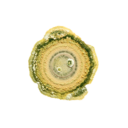
Lecanicillium muscarium is a species of beneficial fungi commonly used in biological pest control . This fungus is known for its effectiveness in controlling various insect pests, including whitefly ,
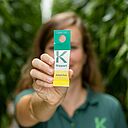
. We are confident that our new design will support our ambition. Koppert - Partners With Nature We partner with nature to find ways of growing that are
Rediscovering natural approaches to plant health Embracing biological pest control Over the years, biological pest control has proven effective in managing pests without the drawbacks of chemical pest
Amblyseius andersoni is a species of predatory mite and is used for biological pest control in horticulture and agriculture. These predatory mites are natural enemies of various pests like thrips , wh
What is IPM? Integrated Pest Management, often referred to as IPM, is a sustainable and environmentally responsible approach to pest management. It employs a combination of strategies to prevent and c