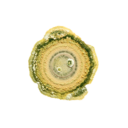
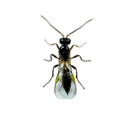
General The Pine processionary moth (Thaumetopoea pityocampa), is a major pest of pine trees around the Mediterranean Sea. It is most conspicuously damaging on pine plantations, or amenity pines. Dama
the tree stock in the area, some 11,000 trees, is oak. ‘We’ve been using Koppert’s nematode product Entonem as a curative measure against the oak processionary
At Koppert headquarters in the Netherlands, Dr Tom Groot heads the Research and Development department for Macrobials. He shares that he is passionate [...] They have fascinated me ever since and led me to my present position at Koppert.’ Fascination for predatory mites Dr Groot points out that, small as they [...] rapidly. What’s not to love about these mites?’ he asks with a smile. Koppert has been producing commercial quantities of predatory mites for more than
General The pea leaf miner (Liriomyza huidobrensis), occurs in a variety of vegetable and ornamental crops. It originates from South and Middle America and has subsequently spread via plant material.
General The brown soft scale Coccus hesperidum is very common in tropical and sub-tropical regions and is also a common pest in greenhouses throughout the world. C. hesperidum has many host plants, in
General The silver-Y moth ( Autographa gamma ) is a migrant moth that appears in northern parts of Europe until November, migrating back to southern Europe for the winter months. The moths can fly 2,0
General The black bean aphid, Aphis fabae , is widespread in temperate regions, where it is a serious economic pest of beans. It is highly polyphagous, and attacks a wide range of other crops. Damage
General The broad mite (Polyphagotarsonemus latus) occurs in the tropics and in greenhouses in temperate regions. The broad mite (Polyphagotarsonemus latus) has a wide range of host plants, especially
one meter and within a four-meter radius, setting it apart in the market. Koppert consultant Wim van der Meer, who regularly visits Labeau, has also noted