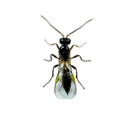
What are parasitoid wasps? Parasitoid wasps are small insects that play a crucial role in natural pest control. They are called "parasitic" because they lay their eggs inside or on harmful pest insect
Amblyseius andersoni is a species of predatory mite and is used for biological pest control in horticulture and agriculture. These predatory mites are natural enemies of various pests like thrips , wh
What are nematodes? Nematodes, commonly referred to as roundworms, are a diverse group of worms belonging to the phylum Nematoda. Nematodes are characterised by their unsegmented, cylindrical bodies,
What is IPM? Integrated Pest Management, often referred to as IPM, is a sustainable and environmentally responsible approach to pest management. It employs a combination of strategies to prevent and c
What are beneficial microorganisms? Beneficial microorganisms, also known as beneficial microbes, are microorganisms that provide positive effects to their environment, including various biological sy
Understanding crop monitoring and scouting In the world of agriculture and horticulture, the phrase "knowledge is power" couldn't be truer. Crop monitoring and scouting are crucial practices that can
Biocontrol explained Biological pest control, often referred to as biocontrol, is a method of managing pests using natural predators, parasitoids, or pathogens. This approach partners with nature to m
Crop protection in agriculture Crop protection is the practice of protecting plants against pests, diseases, and harmful influences to ensure healthy growth and reliable harvests. It is essential in a
The predatory mite Stratiolaelaps scimitus is also known under the scientific name Hypoaspis miles . It is a soil-dwelling predatory mite occurring naturally in several parts of the world. This predat
Macrocheles robustulus is a species of predatory mite known for its role in biological pest control , particularly in agricultural and horticultural settings. Macrocheles robustulus is also a soil-dwe