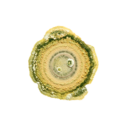
Biofungicide for crop protection Trichoderma harzianum T-22 is a species of beneficial fungus commonly used in agriculture and horticulture for its various
greater diversity of feeding habits than any other mite family. There are species that feed on fungi, algae, plants, as well as insect and mite predators
This beneficial insect, native to Europe, preys on various spider mite species, in particular the two-spotted spider mite . Feltiella acarisuga is a key
cultivation. Pests Larvae of sciarid/mushroom fly ( Sciaridae ) and other species of flies (e.g. Phorid flies ). Mode of action The nematodes enter the pest
Neoseiulus californicus mites actively seek out and prey on various spider mite species including Two-spotted spider mite (Tetranychus urticae) . The predatory
to 1.2 billion per acre). Timing Timing and frequency depend on the pest species and the crop environment (relative humidity, soil moisture and temperature)
The hyperparasite’s mycelium penetrates the hyphal wall of a host mildew species, causing cytoplasmic degradation and death. Variable and inconsistent levels
safeguard crops. It promotes ecological balance, minimizes harm to non-target species, and supports long-term sustainability. On the other hand, chemical pesticides
hectare (54 gallons/acre). Timing Timing and frequency depend on the pest species and the crop environment (relative humidity, soil moisture and temperature)
website for more information. Timing Timing and frequency depend on the pest species and the crop environment (relative humidity, soil moisture and temperature)