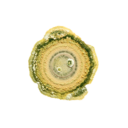
Control whitefly and thrips with entomopathogenic fungi Whiteflies and thrips are common pests that can cause significant damage to crops and plants. An effective method for controlling whiteflies and
seamlessly into existing crop protection programs, helping growers manage infestations, reduce resistance, and maintain healthy crops. Learn more Plant disease
General The buckthorn- potato aphid , Aphis nasturtii , has a nearly cosmopolitan distribution and is a major pest of potatoes, where it also transmits viruses. It also attacks a large number of other
General The black tea thrips , Heliothrips haemorrhoidalis , is widely distributed in the tropics and subtropics; it also occurs in greenhouses of temperate areas, is highly polyphagous, and has been
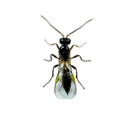
Whitefly control with the parasitic wasp Encarsia formosa Encarsia formosa is a parasitic wasp belonging to the family Aphelinidae , widely recognized for its role in biological control, particularly
offer soft fruit growers an effective biological solution for thrips infestations this spring. ‘In our trials we have seen that A. andersoni was better
is a specialist predator of spider mites and can control spider mite infestations very quickly but doesn’t feed on any other prey. Under dry, warm conditions
Pests Effective against most commonly occurring aphids . Mode of action Adult parasitic wasps emerge from the mummies and females lay their eggs into aphids . The next generation of parasitic wasps de
Pests Two-spotted spider mite ( Tetranychus urticae ) and other Tetranychus spp., except Tetranychus evansi . Mode of action Predatory mites multiply within the sachet and gradually disperse into the
Pests Two-spotted spider mite ( Tetranychus urticae ) and other Tetranychus spp., except Tetranychus evansi . Mode of action Predatory mites use their piercing mouthparts to extract the conten