develop further. Adult viviparous (wingless) females of the woolly aphid are 1.2-2.6 mm long, purplish brown and covered by masses of white, mealy wax. The
prothoracic shield, later they become earth-brown to dingy grey. They are about 1.5 mm long just after emergence and can reach 4 cm or more when fully grown
larva starts producing thousands of very small, barbed urticating hairs (ca. 0.1 mm). These hairs contain an allergenic protein, thaumetopoein; which can be
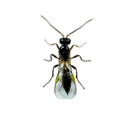
complete metamorphosis, a winged male emerges from the pupa. The male is smaller (1 mm), dark orange in color with long tail filaments and transparent wings and
the entire plant. Together these microorganisms in the root zone – the rhizobiome – form a rich toolbox that can deliver many benefits as long as we treat [...] (see figure 2). A pH level between 6.0 - 6.5 is the best range for most crops. 4 Figure 2: A pH level between 6.0 - 6.5 is the best range for most crops [...] organisms depend for their growth on free amino acids and reduced sugars – monosaccharides – dissolved in the plant sap. Plants grown with restricted amount of
Scouting typically begins before planting and continues throughout the growing season, with a focus on early detection. Early identification of pests and diseases
probably make a series of webs during their development. The pupa is about 1 cm long and brown, with pupation taking place within the webbing.
adult insect. Adult females are 3.0-3.6 mm long and the males between 2.9-3.1 mm. They are slender with long legs and antennae. The bugs are green except
attach it to the tree near the first branch with a nail or wire stitch Apply 1 bag per 25 cm stem diameter, maximum 3 bags per tree The dosage of Aphidalia
insects. Adult stage: Adult Orius laevigatus are small, elongated insects, about 1.4-2.4 millimeters in length. They have a black or dark brown body with white