Management of apple scab
Effective control of apple scab requires an integrated approach combining cultural practices, monitoring, and biological support. Management should aim to limit primary (ascospore) infections in spring and reduce overwintering inoculum to prevent severe epidemics.
Cultural practices
- Use scab-resistant cultivars when possible
- Prune to ensure good air circulation through the canopy, which decreases the duration of leaf wetness and reduces secondary infection cycles
- Shred or chop fallen leaves in autumn/winter to accelerate decomposition and reduce overwintering inoculum
- Promote soil health and avoid unnecessary chemical treatments
Monitoring apple scab
Regular monitoring helps detect infections early and identify periods of increased disease risk. Inspect orchards for:
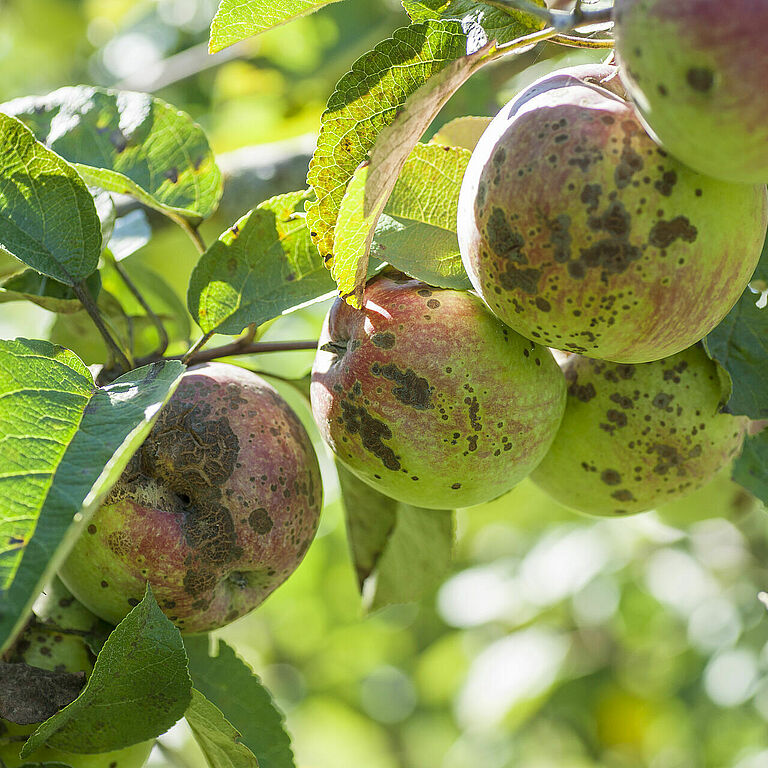
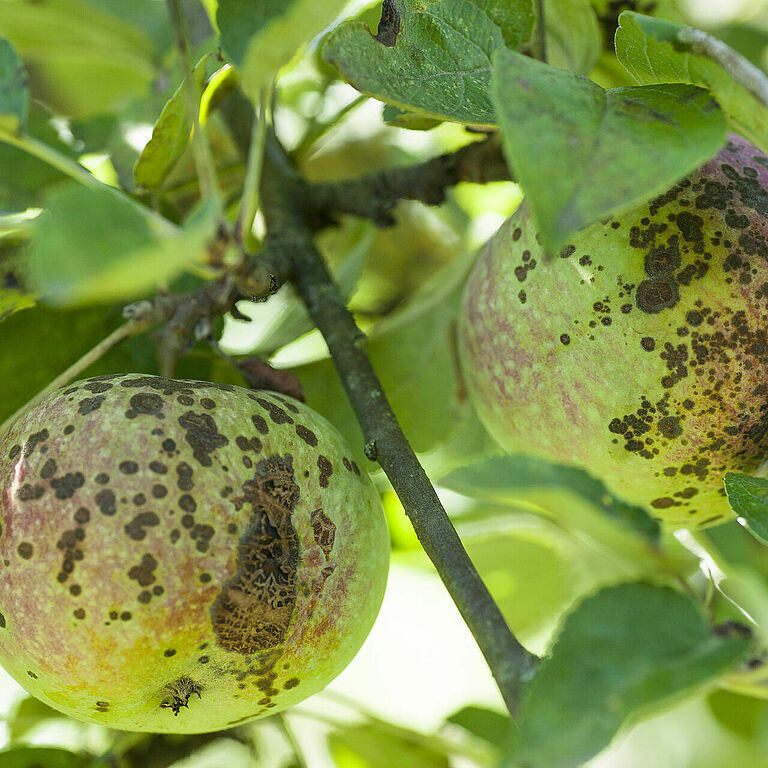
- Olive-green or brown lesions on young leaves and developing fruit
- Brown or black spots on cluster leaves, extension shoots, and developing fruit
- Premature leaf yellowing or drop
- Disease development after rainfall or prolonged leaf wetness
Weather-based forecasting models help predict periods of high apple scab infection risk by combining leaf wetness duration, temperature, and rainfall. This enables growers to optimise treatment timing, reduce unnecessary fungicide applications, and maintain effective disease control.
Biological control of apple scab
Preventive disease management is essential for reducing apple scab pressure. Koppert supports sustainable orchard management with beneficial microorganisms that contribute to healthy root development, improved plant vigor, and increased crop resilience. Integrated with orchard hygiene, weather-based monitoring, and preventive disease management, biological solutions help maintain healthy apple trees and support sustainable production.