Biofungicide for crop protection
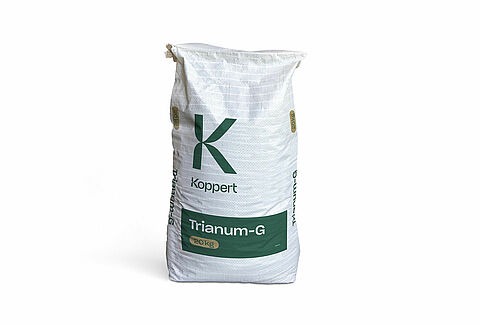
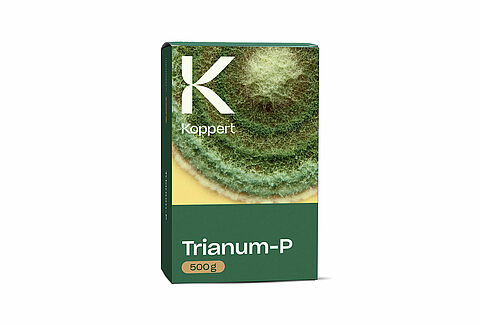
Trichoderma afroharzianum T-22 (formerly Trichoderma harzianum T-22) is a species of beneficial fungus commonly used in agriculture and horticulture for its various beneficial properties. This fungus is known for its ability to promote plant growth, enhance plant health, and suppress plant diseases. Trichoderma afroharzianum colonizes the root systems and surrounding soil of plants, where it competes with harmful pathogens for resources, thereby reducing their populations. Additionally, this fungus produces enzymes and metabolites that have antagonistic effects on plant pathogens, such as fungi, bacteria, and nematodes. Trichoderma afroharzianum is often applied as a biocontrol agent to protect crops against soil-borne diseases, improve nutrient uptake, and enhance overall plant vigor. Its versatility and effectiveness make it a valuable tool for sustainable agriculture and integrated pest management practices. Trichoderma afroharzianum T-22 is available as wettable granules (Trianum-P) and micro granules (Trianum-G).
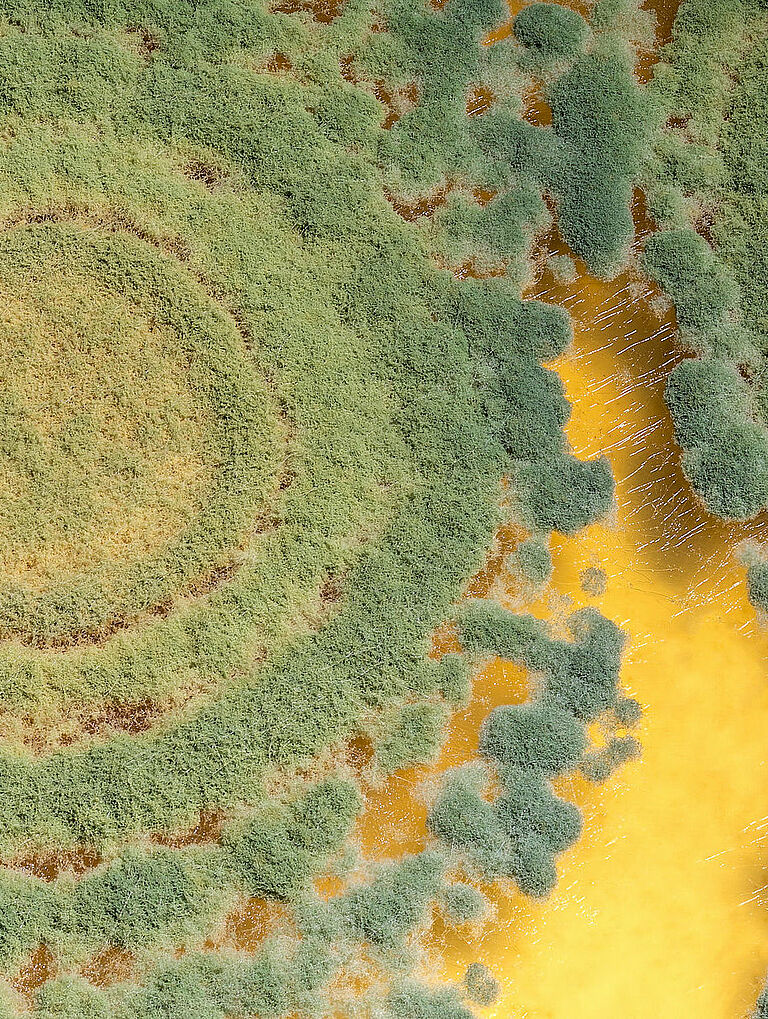
Control plant diseases with Trichoderma afroharzianum
The beneficial fungus Trichoderma afroharzianum T-22 protects plants against a range of soil-borne root diseases through several different modes of action. Trichoderma afroharzianum controls the following plant diseases:
- Damping-off (Pythium spp.)
- Rhizoctonia root rot (Rhizoctonia spp.)
- Fusarium wilt (Fusarium spp.)
- Sclerotinia rot (Sclerotinia spp.)
- Microdochium spp.
Trichoderma afroharzianum products
How does Trichoderma afroharzianum work?
Trichoderma afroharzianum T-22 controls plant diseases through various mechanisms.
- Competition for space: Trichoderma afroharzianum grows faster on the surface of the root than soil borne pathogenic fungi, which get no change to establish themselves on the roots.
- Competition for nutrients: Trichoderma afroharzianum competes for resources, such as space and nutrients, thereby reducing the availability of resources for pathogen growth and reproduction.
- Parasitism of pathogens: Trichoderma afroharzianum produces a range of secondary metabolites and enzymes that have antagonistic effects on plant pathogens. These metabolites and enzymes can directly inhibit the growth and development of pathogens, disrupt their cell walls, or interfere with their metabolic processes.
- Strengthening the plant: Trichoderma afroharzianum improves the root system through the formation of more root hairs, so that water and nutrients can be absorbed better. This leads to a stronger and more uniform crop resulting in better yield and quality.
- Induced resistance: Trichoderma afroharzianum reinforces the defence mechanism of the parts of the plant above the ground, so-called induced system resistance (ISR).
- Absorption of fixed and non-fixed nutrients: Trichoderma afroharzianum has the capacity to make certain 'fixed' nutrients such as manganese and iron available for the plant to absorb. As a result, it provides a natural and environmentally friendly approach to disease management in agriculture and horticulture.

Advantages of Trichoderma afroharzianum
The usage of Trichoderma afroharzianum T-22 in sustainable agriculture and integrated pest management practices has various advantages:
- It controls different soil-borne diseases
- It strengthens the plant and promotes growth
- It improves root system development and nutrient uptake
- Pathogens cannot develop resistance to it
- Safe for people, plants and the environment
- Easy to apply with existing equipment
- Leaves no residues
Application of Trichoderma afroharzianum
Trichoderma afroharzianum T-22 is available in 2 different formulations:
- Wettable granules (Trianum-P): can be sprayed or added to an ir