General Pseudococcus longispinus occurs naturally in tropical and sub-tropical regions, but these days it is widespread throughout the world. The range
Koppert's bumblebees ensure natural pollination in both indoor and outdoor crops. Good pollination in outdoor crops can be achieved by following the r
numbers in greenhouses in soil which has been enriched with compost. As natural enemies of various pests, Macrocheles robustulus plays a vital role in
horse-chestnut leaf miner, Cameraria ohridella , probably originates from natural stands of the European horse-chestnut in Greece, Albania and Macedonia.
ty crops. Biological control of flies combines targeted monitoring and natural enemies that reduce both larval and adult populations: Beneficial nematodes
California in about 1868 and devastated the citrus industry there until a natural enemy from Australia was introduced in 1888. This was the first ever example
can actively hunt! Once they have found a host insect, they penetrate its natural body openings. The nematodes then release pathogenic bacteria they carry
Macrosiphum euphorbiae ) Glasshouse potato aphid ( Aulacorthum solani ) The natural enemy Aphelinus abdominalis is available at Koppert as Aphilin . Aphelinus
mealy bugs . José Manuel Tafoya, junior production manager, the release of natural enemies of these pests and the reduction of agrochemical applications have
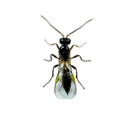
wasp that belongs to the family Braconidae and subfamily Aphidiinae. This natural enemy is used for the control of aphids in agricultural and horticultural