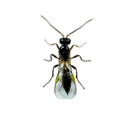
California in about 1868 and devastated the citrus industry there until a natural enemy from Australia was introduced in 1888. This was the first ever example
horse-chestnut leaf miner, Cameraria ohridella , probably originates from natural stands of the European horse-chestnut in Greece, Albania and Macedonia.
ty crops. Biological control of flies combines targeted monitoring and natural enemies that reduce both larval and adult populations: Beneficial nematodes
will gradually disappear. I believe that the agricultural sector has a natural interest in such solutions, but ignorance and a lack of alternative options
Koppert's bumblebees ensure natural pollination in both indoor and outdoor crops. Good pollination in outdoor crops can be achieved by following the r
numbers in greenhouses in soil which has been enriched with compost. As natural enemies of various pests, Macrocheles robustulus plays a vital role in
can actively hunt! Once they have found a host insect, they penetrate its natural body openings. The nematodes then release pathogenic bacteria they carry
Biological control of the bean seed fly using beneficial nematodes offers a natural and effective solution to manage infestations. Beneficial nematodes, such
Macrosiphum euphorbiae ) Glasshouse potato aphid ( Aulacorthum solani ) The natural enemy Aphelinus abdominalis is available at Koppert as Aphilin . Aphelinus
mealy bugs . José Manuel Tafoya, junior production manager, the release of natural enemies of these pests and the reduction of agrochemical applications have