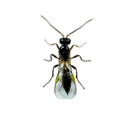
Ephedrus cerasicola are black, approx. 4-5 mm in length. The parasitic wasp lays an egg inside the aphid where the larva of the parasitic wasp will develop
flies , at most only several millimetres long. When the adult females feed or lay eggs, they bore a hole using their toothed ovipositor, usually in the upper
t of a population. When females are only able to feed on plant sap, they lay far fewer eggs and the nymphs (if similarly deprived of living prey) will
award on behalf of Koppert, product manager Tim Bossinga said that innovation lay at the core of Koppert’s DNA and is a result of its continuous product development
emerges from its cocoon, it goes in search of a female. A fertilized female lays several hundreds of eggs in an elongated cottony egg sac composed of white
pronubana - Carnation tortrix Lepidopteran biology is largely comparable. Females lay eggs on leaves either in groups or individually. After leaving the egg, c
life cycle of plant mites: Egg: The life cycle begins with the female mite laying eggs. The eggs are usually spherical and laid on the underside of leaves [...] more distinct. The adults continue feeding on the plant sap and reproduce to lay new eggs, starting the life cycle over again. The life cycle of plant mites
there is ample time for control measures to be put in place, before egg-laying commences as the crops reach the most vulnerable stages of attack (which
y the greenhouse whitefly ( Trialeurodes vaporariorum ). The female wasp lays her eggs inside the whitefly nymphs, which are then consumed from the inside
even when they are at low density. The behaviour of the female during egg-laying is typical of the Aphidiidae. First the host is examined by drumming with