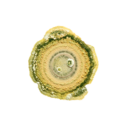
yellow, for example in flower bulbs. At first, the plants recover during the night, but later the plants wilt irreversibly. In potted plants the flower buds
the forewings. The hindwings are uniformly grey. The moth are active at night and rest during the day. Development time is temperature dependent. At 25°C
are active during the day can be strikingly colourful while moth flying at night are usually inconspicuously brownish are greyish. Adult butterflies do not
such as during crop watering. The larva also feeds almost exclusively at night.
feature is the triangle formed by the head and forewings. Moths mainly fly at night, but can sometimes be seen in the daytime. Eggs are laid singly or in groups
young plants or just planted cuttings. The adult beetles are only active at night, taking round bites out of the leaves, starting from the edge. This damage
are readily carried by the wind and as such can disperse 400 to 500 km per night.
exceptional yields, harnessing the power of commercial bumblebees can be a game-changer. Bumblebees are efficient and reliable pollinators, and when used
leaf hairs. The larvae are not easily observed and are mainly active at night, sheltering under the plant or the rim of the pot, during daylight hours
fruit or seed crops. Bumblebees are active from early morning till late at night and also at relatively low temperatures (approx. 10°C) or during more cloudy