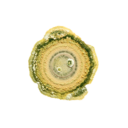
General Sclerotinia sclerotiorum, also known as cottony soft root, is a plant pathogenic fungus. It has a very wide range of host plants. Damage symptoms The first symptoms of a cottony soft root ( Sc
General Rhizobium bacteria are soil bacteria that fix nitrogen after becoming established inside root nodules of legumes. Additionally, pathogenic Agrobacterium s pecies have recently been assigned to
General Phomopsis sclerotioides is a plant pathogen infecting cucurbits, causing black root rot of cucurbits. Damage symptoms Phomopsis sclerotioides causes grey-black spots with a dark demarcation li
General Fusarium is a group of soil-borne fungi with many different species. Fusarium is widespread and can infect a range of host crops. Many species are considered weak pathogens and can only infect
General Mycosphaerella cucumis (Didymella bryoniae) is a fungal plant pathogen that causes gummy stem blight. Damage symptoms Mycosphaerella cucumis in cucumber causes brown lesions on the foot and hi
General Venturia inaequalis is an ascomycete fungus that causes apple scab disease Damage symptoms Venturia inaequalis causes apple scab disease, which at first presents itself as lesions on blossoms,
General Tilletia controversa is a plant pathogen. It is a fungus known to cause the smut disease TCK smut in soft white and hard red winter wheats, as well as dwarf bunt. Damage symptoms Tilletia cont
General The leek moth is present throughout Europe. It is also found in some Asian countries and has been introduced to parts of Canada. The larvae of Acrolepiopsis assectella feed on cultivated Alliu
General The hemp russet mite ( Aculops cannabicola ) belongs to the family Eriophyidae (gall and rust mites). It does not produce galls but lives freely (vagrant) on hemp/cannabis plants. Aculops cann
General The chafers are beetles of the Scarabaeidae family. The larvae of both species live in the soil and feed on the roots of many plants. They are a serious pest that can cause substantial damage.