Pests All species/stages of aphids . Mode of action Adult gall midges emerge from the pupae and deposit their eggs in the aphid colonies. After emerging from the eggs the larvae consume the aphids . V
Pests Especially for potato aphid ( Macrosiphum euphorbiae ) and glasshouse potato aphid ( Aulacorthum solani ). Ervipar also parasitizes tobacco aphid ( Myzus persicae var. nicotianae ). Mode of acti
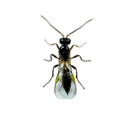
Leaf miner control with the parasitic wasp Dacnusa sibirica Dacnusa sibirica is a small parasitic wasp belonging to the family Braconidae . This insect is known for its role as a biological control ag
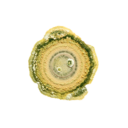
against seed-borne diseases • Resistance highly unlikely • Cerall consists of natural components, making it suitable for conventional and organic cultivation
Pests Especially for cotton aphid ( Aphis gossypii) ; tobacco aphid ( Myzus persicae var. nicotianae ); peach-potato aphid ( Myzus persicae var. persicae ). Mode of action Adult parasitic wasps emerge
Natupol Trio pollination hives (containing three large bumblebee colonies) are developed for open-field crops, blossoming in spring. Crops Stone fruits, pome fruits, strawberry, blueberry. Mode of act
Pests Larvae of various species of thrips (first and second larval stages); eggs and larvae of greenhouse whitefly ( Trialeurodes vaporariorum ) and tobacco whitefly ( Bemisia tabaci ). Crops Do not u
Pests Two spotted spider mite ( Tetranychus urticae ); European red mite ( Panonychus ulmi ); citrus red mite ( Panonychus citri ); other spider mite species. Crops Do not use in tomato. Mode of actio
Pests Eggs, larvae and pupae of sciarid flies ; thrips pupae. Mode of action The predatory mites feed on larvae of sciarid flies , thrips pupae and other soil-dwelling insects. The mites appear in and
Pests Young larvae of various thrips species and eggs and larvae of whitefly . Crops Do not use in tomato. Mode of action Predatory mites multiply in the sachet and disperse into the crop over a perio