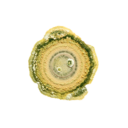
General These three species of Diaspi s are very similar in their appearance and damage symptoms. Here, the Boisduval scale is described in more detail, as it is the most important one. The Boisduval
General The larvae of crane flies , called leatherjackets, live in the soil and feed on roots and shoots (which they pull into the ground of mainly grasses and cereal crops. The adults do not cause an
General The horse-chestnut leaf miner, Cameraria ohridella , probably originates from natural stands of the European horse-chestnut in Greece, Albania and Macedonia. It was first observed attacking or
Eriosoma lanigerum Woolly apple aphid General The woolly aphid, Eriosoma lanigerum , is a serious worldwide apple pest. It is probably of North American origin and has been distributed to other parts
Rhodobium porosum Yellow rose aphid General The yellow rose aphid , Rhodobium porosum , is probably of North American origin but is now widely distributed in Europe, North Africa, parts of Asia and So
Plutella xylostella Diamond back moth General The diamond back moth (Plutella xylostella) belongs to the family of Plutellidae . It only attacks Brassicaceae species, including cruciferous weeds. The
General The chafers are beetles of the Scarabaeidae family. The larvae of both species live in the soil and feed on the roots of many plants. They are a serious pest that can cause substantial damage.
General Click beetles are elongate beetles with a hard exoskeleton, with the head deeply retracted into the thorax. When disturbed they lie on their back feigning death and then suddenly propel themse
General As the name implies, the European red mite, Panonychus ulmi , is mainly a pest of fruit trees (apple, pear, plum and cherry). However, it can attack a large scale of other woody plants and is
General The goat moth ( Cossus cossus ), is a pest of broad-leafed trees. It is most often found in birch, ash, willow and elm but can also attack fruit trees. It is widespread in Europe. Damage sympt